 英国
英国 爱尔兰
爱尔兰 冰岛
冰岛 美国
美国 法国
法国 西班牙
西班牙 荷兰
荷兰 比利时
比利时 葡萄牙
葡萄牙 德国
德国 奥地利
奥地利 波兰
波兰 罗马尼亚
罗马尼亚 意大利
意大利 希腊
希腊 丹麦
丹麦 瑞士
瑞士 卢森堡
卢森堡 塞浦路斯
塞浦路斯 马耳他
马耳他 瑞典
瑞典 挪威
挪威 芬兰
芬兰 捷克
捷克 匈牙利
匈牙利 克罗地亚
克罗地亚 保加利亚
保加利亚 斯洛伐克
斯洛伐克 斯洛文尼亚
斯洛文尼亚 爱沙尼亚
爱沙尼亚 拉脱维亚
拉脱维亚 立陶宛
立陶宛 列支敦士登
列支敦士登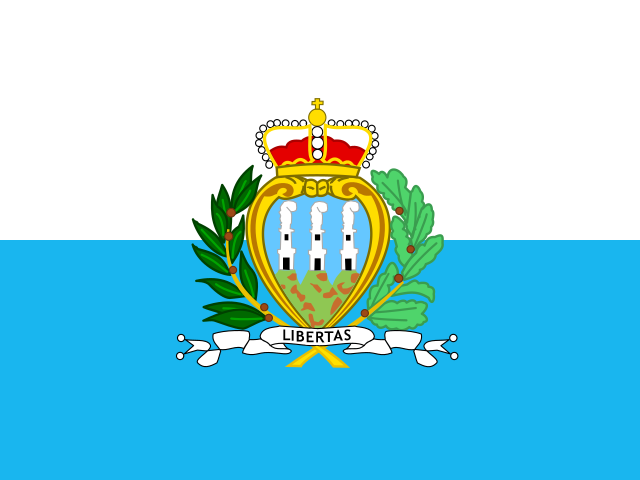 圣马力诺
圣马力诺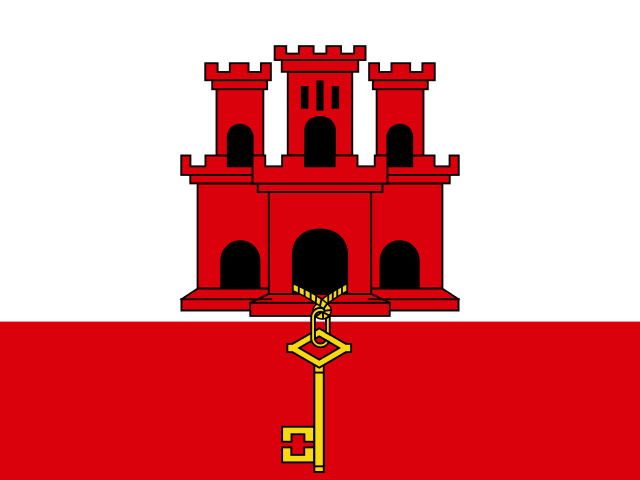 直布罗陀
直布罗陀 摩纳哥
摩纳哥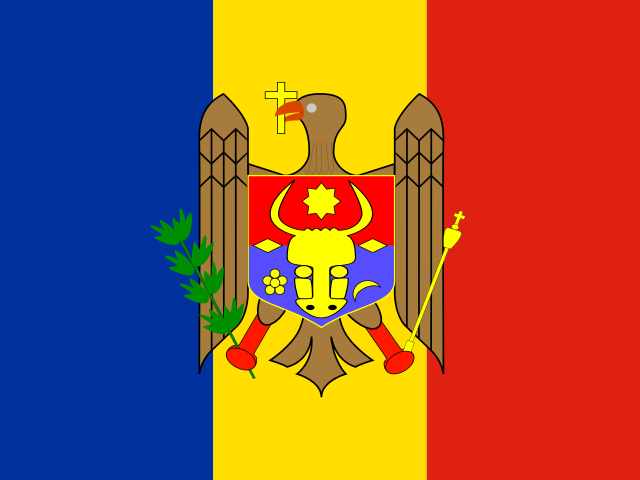 摩尔多瓦
摩尔多瓦 安道尔
安道尔 塞尔维亚
塞尔维亚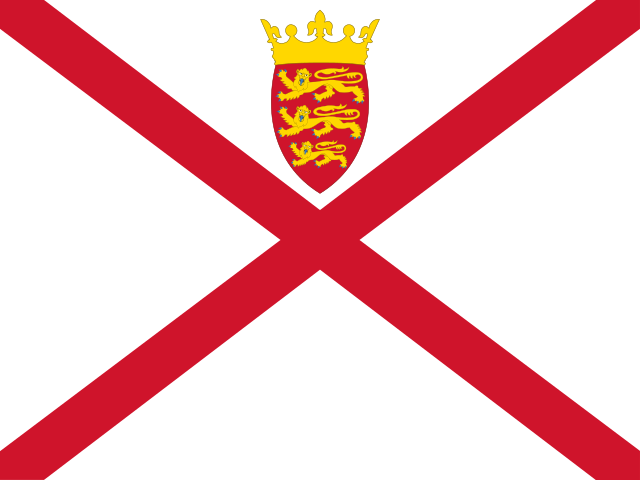 泽西岛
泽西岛 根西岛
根西岛 马恩岛
马恩岛 土耳其
土耳其 黑山
黑山 波斯尼亚和黑塞哥维那
 科索沃
科索沃 阿尔巴尼亚
阿尔巴尼亚 北马其顿
北马其顿 乌克兰
乌克兰 加拿大:用于餐厅和外卖
每天都要做好接受食品检查的准备。
In Canada the app follows the national Food Retail and Food Services Code (2016) and Health Canada’s safe temperatures, with each province’s own rules. Provincial and local health authorities inspect. Quebec comes later, in French.
14 天免费试用 · 每个网站统一价格 · 无合同
加拿大:食品卫生规则
本页规则目前为英文版,稍后会翻译成您的语言。
- 检查机构
- Provincial and territorial governments and their health authorities (the Canadian Food Inspection Agency, CFIA, covers only food traded between provinces, imported or exported)
- 公众评价
- 不
- 应用内的语言
- English
您的检查
Provincial and territorial governments regulate restaurants, takeaways and cafés within their borders, and many provinces let municipal authorities enforce the rules locally. The CFIA licenses only businesses that import, export or trade food between provinces.
Rules and inspections differ by province. The national Food Retail and Food Services Code (2016) is a model code, not federal law: each province chooses whether to adopt it. Check your province’s food safety rules and your local health authority.
卫生等级
There is no national grade. Inspection results are public in most provinces, for example through Ontario’s boards of health, Toronto DineSafe, British Columbia’s health authorities, Alberta Health Services, Saskatchewan and Prince Edward Island.
“法律”是指具有约束力的规则。“官方指南”并非法律,但检查人员会参考它。“Chef Hygiene 默认值”是指在没有规则给出具体数值的情况下,应用程序会检查的值。
温度
- 官方指南Keep fridges at 4°C or lower and hot food at 60°C or higher (national code, with Ontario’s numbers).
- 法律Manitoba: hazardous food must be kept at 5°C or lower (M.R. 339/88 R).
- 官方指南Keep freezers at −18°C or lower.
- 官方指南Cooking, internal temperature (Health Canada): whole poultry 82°C; poultry pieces and ground poultry 74°C; egg dishes 74°C; shellfish 74°C.
- 官方指南Cooking, internal temperature (Health Canada): ground meat 71°C; pork 71°C; fish 70°C; beef, veal and lamb steaks from 63°C (medium-rare) to 77°C (well done).
- 官方指南Reheating: leftovers to 74°C (Health Canada). British Columbia: 74°C within 2 hours.
- 官方指南Cooling: cooked food goes from 60°C to 20°C within 2 hours, then to 4°C within another 4 hours, 6 hours in total. Quebec: 60°C to 21°C in 2 hours, then to 4°C.
- 官方指南The danger zone for bacteria is 4°C to 60°C, where they grow fastest.
- Chef Hygiene 默认值Chef Hygiene checks chilled deliveries at 4°C or lower and frozen food at −15°C or lower. Manitoba: chilled at 5°C or lower.
员工、培训和健康
- 官方指南Provinces ask for trained food handlers. Ontario: a trained person every hour of operation. Alberta: a certified person, and with 6 or more food handlers a certified manager or supervisor on site.
- 官方指南British Columbia: FOODSAFE for the operator, and a FOODSAFE holder present when the operator is away. Manitoba: a certified food handler, and one on duty at all times when more than 5 handlers work at once.
- 官方指南Nova Scotia: the operator, and a trained person present when the operator is away, renewed every 5 years. Quebec: training for 10% of staff (manager course 12 hours, handler course 6 hours).
过敏原
- 官方指南Health Canada lists 11 priority allergens: peanuts, tree nuts, sesame seeds, fish, crustaceans and molluscs, eggs, milk, soy, wheat and triticale, mustard and sulphites.
- Chef Hygiene 默认值This list is for labels on prepackaged food. No federal law makes restaurants list these allergens on menus. Chef Hygiene uses the 11 for its allergen chart.
消防安全检查
- 官方指南The National Fire Code of Canada 2020 is the model code for the provinces. Kitchen hoods follow NFPA 96, and fire suppression systems follow NFPA 17A or NFPA 10.
- 官方指南Fire protection equipment is inspected by a qualified person at least every 6 months. Portable extinguishers are looked over every month and fully serviced every year.
- 官方指南Automatic fire suppression systems need supervisory monitoring, so an alarm sounds on a fault or when the system operates.
- 官方指南Your fire department and your province’s fire marshal or fire commissioner enforce the provincial fire code. Many restaurants also need a written fire safety plan approved by the fire department.
- Chef Hygiene 默认值Chef Hygiene checks that the hood’s fire suppression system is inspected every 6 months. It also checks for a Class K extinguisher within 9 metres (30 feet) of the fryers.
记录
- 法律WHMIS 2015: employers must make sure hazardous products are labelled, keep the Safety Data Sheets (SDS) available to employees, and train workers. Suppliers provide the labels and SDS.
官方消息
- Health Canada: food safety and cooking temperatures
- Health Canada: safe food storage and cooling
- Health Canada: priority food allergens
- National Fire Code of Canada 2020
- WHMIS 2015 (Government of Canada)
Checked
本页面仅提供一般信息,不构成法律建议。请咨询当地政府部门。
加拿大:食品卫生指南
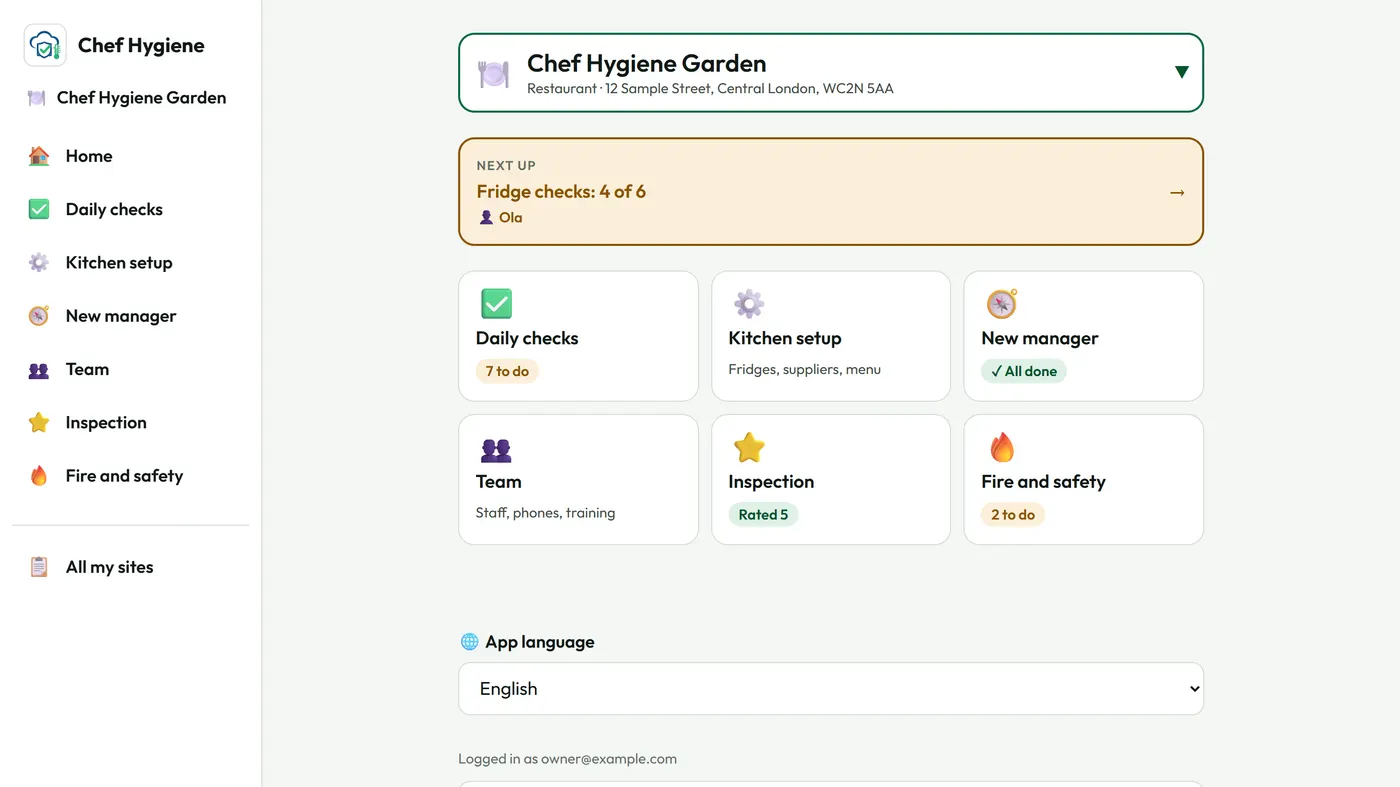
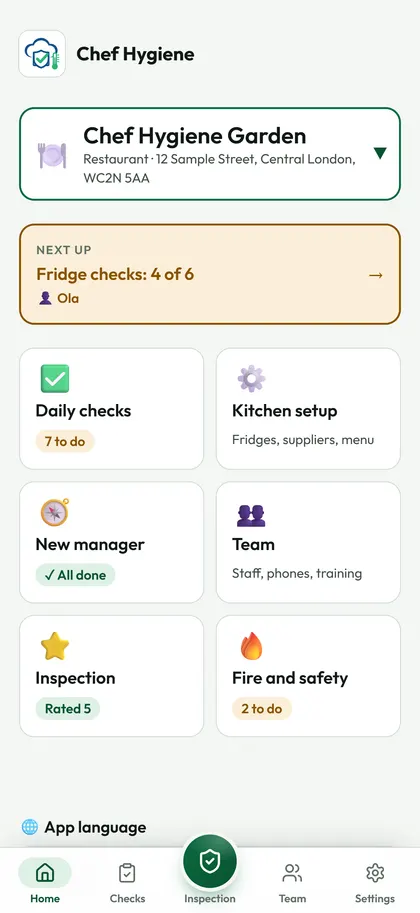
加拿大:Chef Hygiene 应用程序
该应用程序会加载您厨房的这些规则,对照这些规则检查您的记录,并保留证据以供检查员参考。