 United Kingdom
 Ireland
 Iceland
 United States
 France
 Spain
Spain Netherlands
 Belgium
 Portugal
 Germany
 Austria
 Poland
 Romania
 Italy
Italy Greece
 Denmark
 Switzerland
 Luxembourg
 Cyprus
 Malta
Malta Sweden
 Norway
 Finland
 Czechia
 Hungary
 Croatia
 Bulgaria
 Slovakia
 Slovenia
 Estonia
 Latvia
 Lithuania
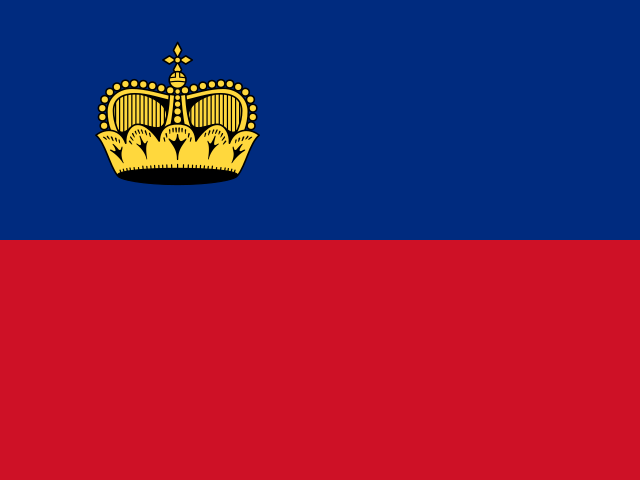 Liechtenstein
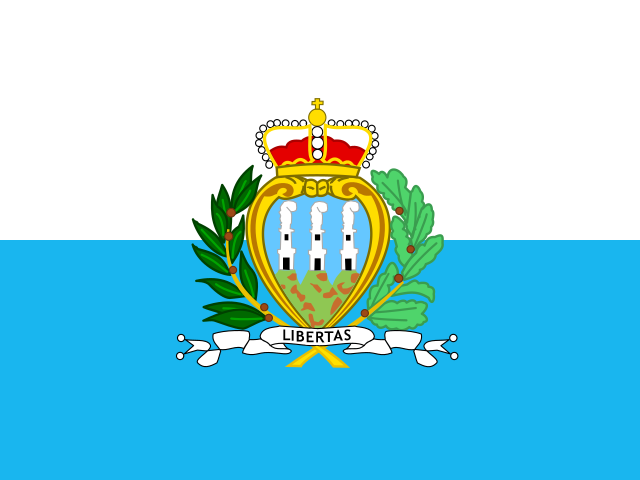 San Marino
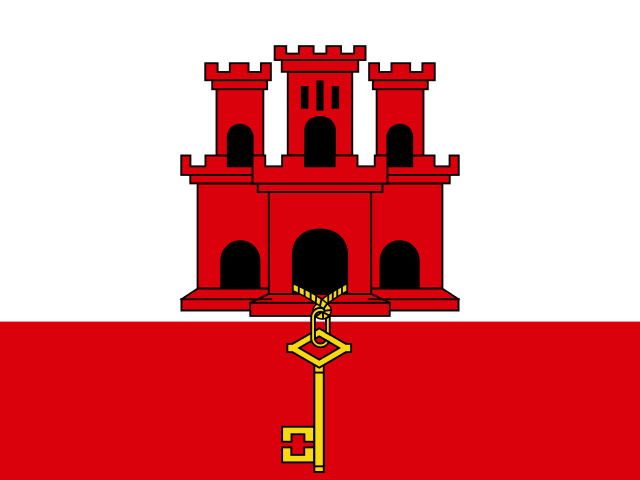 Gibraltar
 Monaco
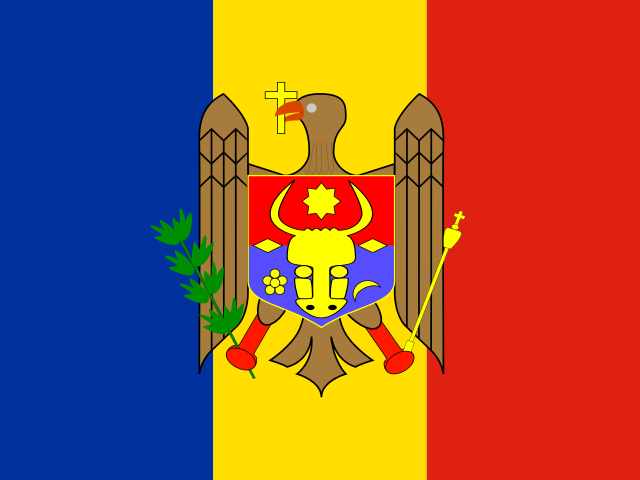 Moldova
 Andorra
 Serbia
 Jersey
 Guernsey
 Isle of Man
 Türkiye
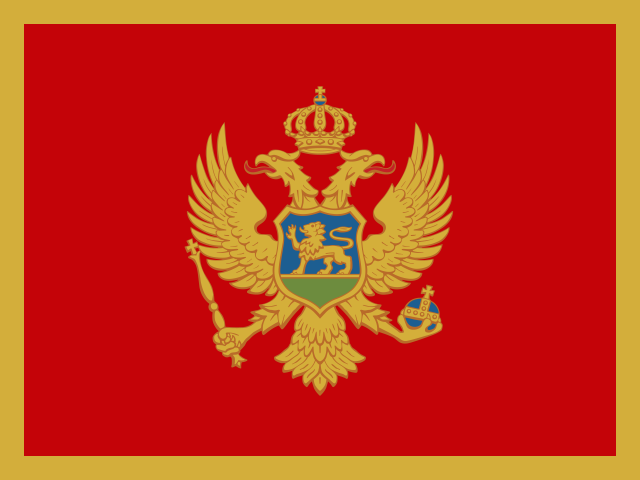 Montenegro
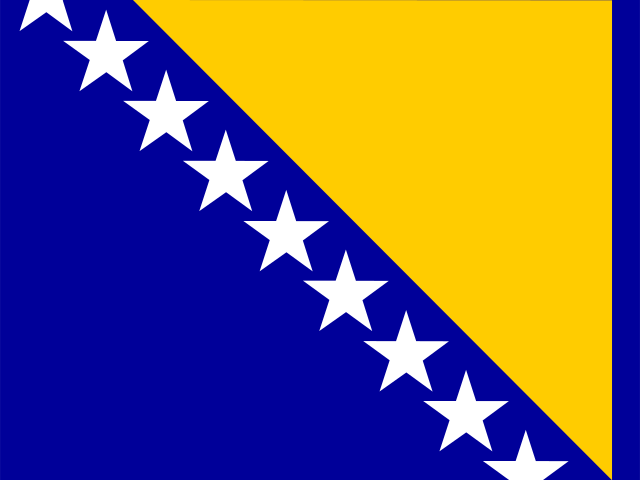 Bosnia & Herzegovina
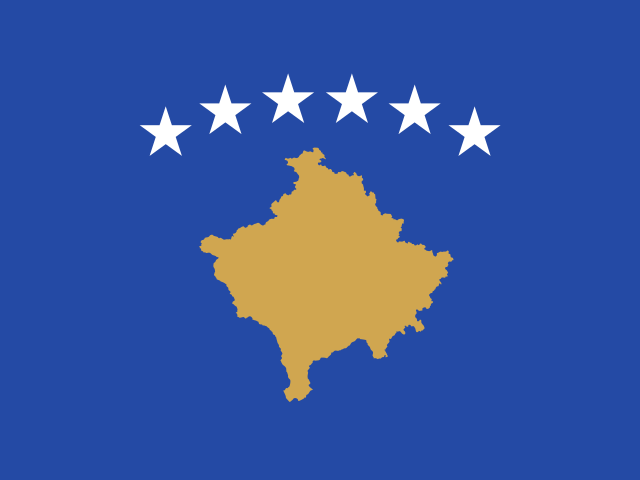 Kosovo
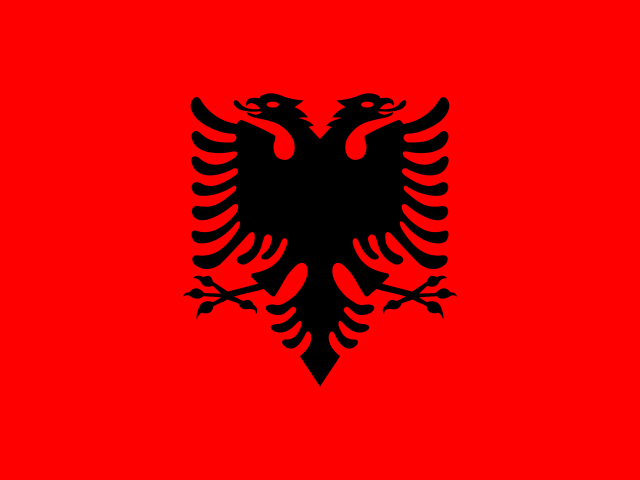 Albania
 North Macedonia
 Ukraine
 Canada: food temperature rules
The food temperatures your kitchen must keep, and the rules behind them.
Checked
“Law” is a binding rule. “Official guidance” is not law, but inspectors expect it. “Chef Hygiene default” is a value the app checks against where no rule gives a number.
- Official guidanceKeep fridges at 4°C or lower and hot food at 60°C or higher (national code, with Ontario’s numbers).
- LawManitoba: hazardous food must be kept at 5°C or lower (M.R. 339/88 R).
- Official guidanceKeep freezers at −18°C or lower.
- Official guidanceCooking, internal temperature (Health Canada): whole poultry 82°C; poultry pieces and ground poultry 74°C; egg dishes 74°C; shellfish 74°C.
- Official guidanceCooking, internal temperature (Health Canada): ground meat 71°C; pork 71°C; fish 70°C; beef, veal and lamb steaks from 63°C (medium-rare) to 77°C (well done).
- Official guidanceReheating: leftovers to 74°C (Health Canada). British Columbia: 74°C within 2 hours.
- Official guidanceCooling: cooked food goes from 60°C to 20°C within 2 hours, then to 4°C within another 4 hours, 6 hours in total. Quebec: 60°C to 21°C in 2 hours, then to 4°C.
- Official guidanceThe danger zone for bacteria is 4°C to 60°C, where they grow fastest.
- Chef Hygiene defaultChef Hygiene checks chilled deliveries at 4°C or lower and frozen food at −15°C or lower. Manitoba: chilled at 5°C or lower.
Official sources
- Health Canada: food safety and cooking temperatures
- Health Canada: safe food storage and cooling
- Health Canada: priority food allergens
- National Fire Code of Canada 2020
- WHMIS 2015 (Government of Canada)
This page is general information, not legal advice. Check with your local authority.