 United Kingdom
 Ireland
 Iceland
 United States
 Canada
 France
 Spain
 Netherlands
 Belgium
 Portugal
 Germany
 Austria
 Poland
 Romania
 Italy
 Greece
 Denmark
 Switzerland
 Luxembourg
 Cyprus
 Malta
 Sweden
 Norway
 Finland
 Czechia
 Hungary
 Croatia
 Bulgaria
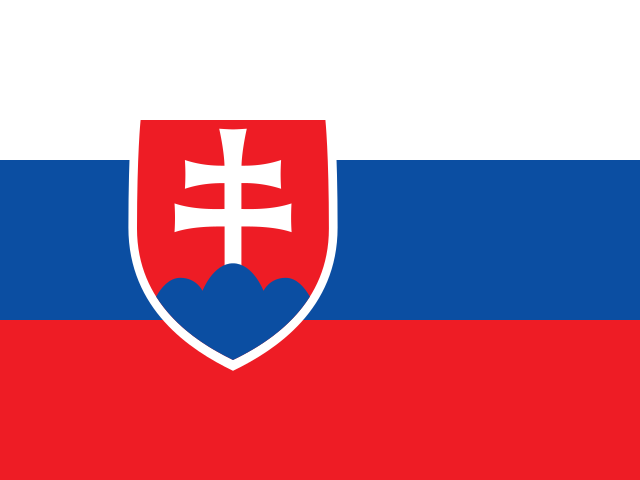 Slovakia
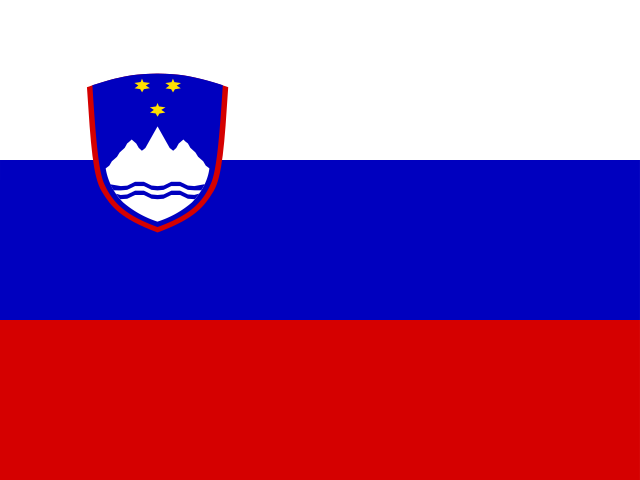 Slovenia
 Estonia
 Latvia
 Lithuania
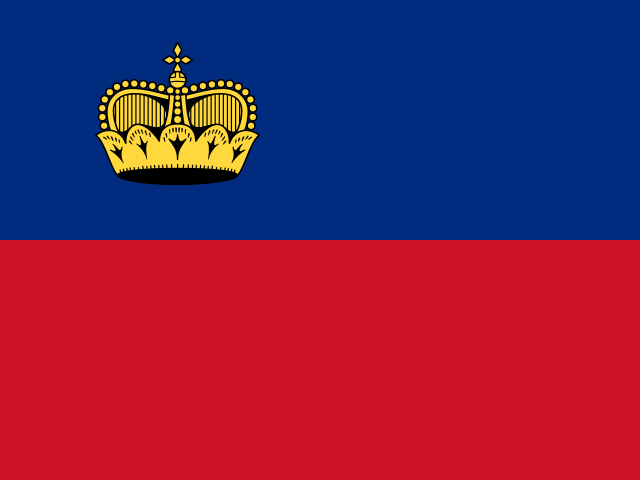 Liechtenstein
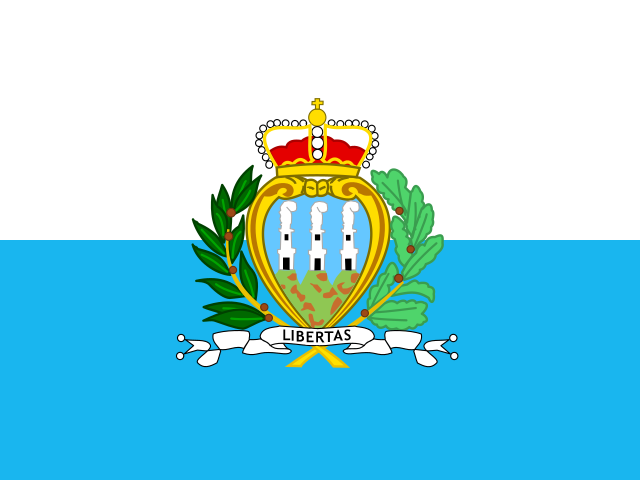 San Marino
 Gibraltar
 Monaco
 Moldova
 Andorra
 Serbia
 Jersey
 Guernsey
 Isle of Man
 Türkiye
 Montenegro
 Bosnia & Herzegovina
 Kosovo
 Albania
 North Macedonia
 Ukraine
 Russia
 Belarus
 United Arab Emirates
 Qatar
 Saudi Arabia
 New Zealand
 Australia
 Brazil
 Singapore
 Mexico
 Japan
 Malaysia
 India
Food Safety Records in Luxembourg: Laws and ALVA Inspections
Luxembourg food safety records explained: the law, ALVA inspections, no public rating, the records inspectors ask for, allergens and how digital records help.
· Chef Hygiene
Do food businesses in Luxembourg need food safety records? Yes. Every food business must have a food safety system based on HACCP principles (EU Regulation 852/2004, Article 5). Inspections are done by one national body, the Luxembourg Veterinary and Food Administration (ALVA), and inspectors can read all your records, including digital ones. Luxembourg has no public hygiene rating, no sticker and no published scores. This page explains the rules, what inspectors look for, where businesses go wrong, and how digital records help.
Every fact below comes from an official source, linked in the text and at the end. Where Luxembourg law sets no number and a number comes from ALVA or the HORESCA hygiene guide, we say so. Official texts are mostly in French. The app works in French and German for Luxembourg, so your records can be in the language your inspector expects.
Contents
- The law: what every food business in Luxembourg must do
- Who inspects you, and how often
- No public rating, but real consequences
- The records inspectors ask for
- Where businesses go wrong
- By type of business
- Why digital records help in Luxembourg
- How Chef Hygiene helps
- A fair price, on purpose
- Less paper
- FAQ
- Official sources
1. The law: what every food business in Luxembourg must do
- The main laws. EU Regulation 852/2004 on food hygiene, and the Luxembourg law of 2 April 2026 on food control (Legilux). Our notes from the official text say it came into force on 11 April 2026 and replaced the law of 28 July 2018.
- Register with ALVA. Any business that produces, processes or distributes food must register, including shops, restaurants and crèches. You apply online on MyGuichet.lu. According to Guichet.lu, you may start as soon as you send the notification, and ALVA replies within 15 working days with a registration number or a request for changes. The page mentions no fee. To report changes or closure, use MyGuichet.lu or write to enreg@alva.etat.lu (Guichet.lu: registration).
- A HACCP-based food safety system. You need permanent procedures based on HACCP principles (Regulation 852/2004, Article 5). A restaurant may follow the sector guide "Guide de bonnes pratiques d'hygiène HORESCA" (2022, validated by the minister) instead of writing a full plan of its own (HORESCA guide, ALVA).
- A licence for the owner. To get the business licence (autorisation d'établissement) for a restaurant, the owner needs the HORECA access certificate from the House of Training (15 hours and a 3-hour exam, with a food hygiene module), or 1 year of proven experience (Guichet.lu: HORECA).
- Temperatures: guidance, mostly not law. Luxembourg law sets no fridge, hot-holding, cooling or reheating number for restaurants. The numbers come from ALVA's inspection sheet F-011 and the HORESCA guide:
- Fridges: 4°C at most (HORESCA guide). ALVA's sheet counts a fault above 7°C for prepared food, 6°C for poultry, meat, egg products and cream, 5°C for offal, and 4°C for minced meat and fresh fish.
- Frozen food: -18°C or colder. This one is law. Short rises of up to 3°C are allowed (RGD of 4 July 1988 on the food trade, Article 4). ALVA's sheet counts -15°C as a fault.
- Hot holding: 65°C or more, for up to 3 hours. ALVA's sheet counts a fault below 63°C.
- Cooling: cooked food below 10°C in the core within 2 hours, then to 4°C.
- Reheating: 65°C in the core within 1 hour. Avoid reheating in a bain-marie, and do not keep leftovers.
- Cooking: the HORESCA guide gives no cooking number, so we could not confirm an official one.
- Staff training. Food staff need instruction or training that fits their job (Regulation 852/2004, Annex II). Luxembourg sets no staff certificate, fixed hours or renewal. The HORESCA guide says to keep attendance sheets as proof.
- Staff health. Staff have an occupational health exam when hired: within 2 months of starting, or before starting for night work or risk posts (Labour Code, Article L.326-1). The HORESCA guide says to keep the aptitude certificates for inspectors. Staff with a gut or liver infection, hepatitis A, a cold or flu, a staph skin infection, a pus-filled wound or a contagious skin disease must stop handling food at once and tell the employer. They give a doctor's note within 3 days (RGD of 4 July 1988 on the food trade, Article 12). We could not confirm a fixed time off after symptoms.
- Allergens. Written information is required for food that is not prepacked (see below).
Allergens in detail
- The 14 EU allergens must be given in writing for food that is not prepacked, not only spoken (RGD of 25 August 2015). List them per dish, after a word containing "allergène". This also applies to drinks and the dish of the day.
- Without being asked. Give the information without the customer asking, or show a written notice that a written list is available from staff. For example: "A folder with the allergens of each dish is available from staff."
- Language. Write it in French, German or Luxembourgish. Other languages may be added.
- Keep it the same. Keep it up to date, and the same on paper and on your website.
- Takeaway and delivery. Give allergen information before the order and again at delivery.
- Exceptions. Supervised settings with written systems to find out allergies in advance get a partial exemption. Private people at charity sales and fairs are outside the EU rule, but ALVA recommends declaring allergens (ALVA allergen sheet, ALVA questions and answers F-178).
- Penalty. Not giving allergen information is a criminal offence under the law of 2 April 2026. We do not quote the amounts here, because we could not confirm the figures from a second official source. Ask ALVA.
2. Who inspects you, and how often
- ALVA only. ALVA is the one national food inspection body, under the minister for Agriculture, Food and Viticulture. We found no regional or local food inspectors (ALVA).
- Who comes. ALVA agents and customs (ADA) agents carry out hygiene checks in restaurants.
- How often. Controls are risk-based, and ALVA publishes no fixed interval.
- Powers. Inspectors can read all records, including digital data, take samples and buy food anonymously. They can ask for records to be translated into French, German or Luxembourgish (law of 2 April 2026, Article 3).
- The checklist. Inspectors use ALVA's checklist "Hygiène de base", which scores each item as compliant, minor or major (ALVA checklist).
3. No public rating, but real consequences
- No rating. Luxembourg has no public hygiene rating, no sticker and no duty to display results. ALVA publishes yearly summaries and the list of registered sites, not scores. (A draft of the law planned to publish results, but this was dropped before the law passed.)
- What ALVA can do. It can order emergency measures, withdraw your registration or close the business with seals. It can also impose fines, and serious cases go to court (law of 2 April 2026).
- What this means for you. There is no score to improve, but a written report with deadlines is a real cost. Good records show an inspector that your system works every day.
4. The records inspectors ask for
The HORESCA guide lists the documents an inspector may want to see:
- Delivery notes, cleaning plan, pest control plan and refused goods.
- Temperature records, for deliveries, storage, transport and cooling. Fridges and freezers are written down every day, with the date, product and initials.
- Training proof: date, content, trainer, names and signatures.
- Staff aptitude certificates from the occupational doctor.
- Allergen information for every dish.
- Yearly drinking-water certificate from the commune.
How long to keep them. ALVA's traceability guide says to keep supplier records for 5 years. For very perishable food, or food sold straight to consumers, keep them at least 6 months after it was made. We found no national number for other logs, such as daily temperature sheets, so ask ALVA (ALVA traceability guide).
5. Where businesses go wrong
Common record problems are easy to picture:
- Gaps. Days with no fridge reading written down.
- Papers not kept up to date. The law allows fines if HACCP papers are not kept up to date or records are not kept.
- No action recorded. A fridge above the limit with nothing written about what was done.
- Training not shown. Staff were trained, but there is no sheet to prove it.
- Allergens only by word of mouth. In Luxembourg the information must be written and given without being asked.
- Not registering with ALVA.
6. By type of business
The rules are the same for every food business, but the records you keep depend on what you do.
- Restaurant: daily fridge and freezer readings, hot holding, cooling and reheating, deliveries, cleaning, and written allergen information for every dish. The owner needs the HORECA certificate or 1 year of experience for the licence.
- Takeaway: the same as a restaurant, plus allergen information before the order and again at delivery.
- Café: fridges and displays, cleaning, and written allergen information for sandwiches, cakes and drinks.
- Bakery / cake shop: written allergen records for every product, display temperatures for cream cakes, and labels for goods you pack.
- Dessert shop: freezer temperatures (-18°C or colder) for ice cream and desserts, and allergens for toppings and sauces.
- Pub / bar / club: the same records as a restaurant for the food you serve, and written allergens for drinks lists too.
- Community hall / venue: register with ALVA if you serve food as a business. Private people at charity sales are outside the EU allergen rule, but ALVA recommends declaring allergens.
- Corner shop / grocery: register with ALVA; fridge and freezer checks, delivery checks, and allergen information for food you pack yourself.
- School / nursery kitchen: crèches are named on the registration page. Supervised settings get a partial allergen exemption only if they have written systems to find out allergies in advance.
- Caterer / food van: the registration page does not mention vehicles, so we could not confirm the steps. Contact ALVA. Keep temperature records during transport.
- Home kitchen business: the registration page is silent on home businesses, so we could not confirm the rules. Contact ALVA before you start.
7. Why digital records help in Luxembourg
- Digital records count. The law of 2 April 2026 lets inspectors read all records and IT data, so digital records are accepted.
- No gaps go unnoticed. A missed check shows up the same day, not at the next inspection.
- Problems come with their fix. When a reading is out of range, the record can ask what you did about it.
- Nothing is lost. No wet, greasy or missing pages.
- Ready for ALVA. You can show everything at once, with dates and names.
- Every staff member can take part. Staff can record checks on a phone or tablet, in their own language.
8. How Chef Hygiene helps
Chef Hygiene follows the Luxembourg rules and ALVA guidance, including the HORESCA hygiene guide. What it does:
- Daily checks for fridges, freezers, cooking, hot holding, cooling, cleaning and deliveries, with the time, the staff member's name and photos. Saved records cannot be changed; corrections are added as new records.
- Your country's rules built in, such as the -18°C frozen limit from Luxembourg law and the temperatures in ALVA's sheet and the HORESCA guide.
- Food safety plan ("safe methods"). About 20 minutes: answer questions, check each method, sign it, set a review date and print it. Earlier versions are kept.
- Ready for inspection? Checks your last 4 weeks of records the way an inspector would and shows how many are ready.
- Inspector's visits log. Write down each visit: date, type and officer.
- Practice inspection. A free walk round of about 10 minutes, with questions for your type of business and a "Put it right" list. It shows a likely result in ALVA's own scoring style (compliant, minor, major).
- Allergen chart, staff view and labels. Every dish against the 14 allergens, a staff view on the kitchen tablet, and labels for food prepacked for direct sale, with allergens in bold.
- Staff training records.
- Inspector pack. Print all your records as one pack, or share them by secure link.
- 40 languages. Staff can use the app in their own language. For Luxembourg, the app offers French and German.
9. A fair price, on purpose
Chef Hygiene costs €2.99 a month per site (€1.99 for bakeries, dessert shops and corner shops); the exact price is shown in your app store; unlimited staff, no contract, 14-day free trial.
We keep the price low on purpose. We want as many food businesses as possible, from a single food van to a busy restaurant, to keep good records and pass their inspections.
10. Less paper
One daily sheet per kitchen is 365 sheets a year, before you count delivery forms, cleaning rotas and training records. Digital records mean no record books to buy and fewer printed forms to throw away. That is less paper, and nothing to store in a back office.
11. FAQ
Do I legally need food safety records in Luxembourg?
Yes. You need a system based on HACCP principles (Regulation 852/2004, Article 5). A restaurant may follow the HORESCA guide instead of writing a full plan of its own.
Who inspects restaurants in Luxembourg?
ALVA, the national food inspection body. Its agents and customs (ADA) agents do hygiene checks. We found no regional or local food inspectors.
Do I have to register before I open?
Yes. Register with ALVA online on MyGuichet.lu. You may start as soon as you send the notification, and ALVA replies within 15 working days.
Are inspections announced?
We could not confirm an official rule on notice. Inspectors can also buy food anonymously, so be ready at all times.
Is there a hygiene rating in Luxembourg?
No. There is no public rating, sticker or duty to display results. ALVA publishes yearly summaries and the list of registered sites.
Are digital food safety records accepted?
Yes. Inspectors can read all records, including digital data (law of 2 April 2026).
How long must I keep my records?
ALVA's traceability guide says supplier records for 5 years, and at least 6 months after production for very perishable food or food sold straight to consumers. We found no national number for other logs.
What temperature must my fridge be?
Luxembourg law sets no number for restaurants. The HORESCA guide says 4°C at most. ALVA's sheet counts a fault above 7°C for prepared food.
What temperature must frozen food be?
-18°C or colder. This is law (RGD of 4 July 1988 on the food trade, Article 4), with short rises of up to 3°C allowed.
What temperature must hot food be kept at?
The HORESCA guide says 65°C or more, for up to 3 hours. ALVA's sheet counts a fault below 63°C.
Do my staff need a food hygiene certificate?
No national certificate is required. Staff need instruction or training that fits their job, and the guide says to keep attendance sheets. The restaurant owner needs the HORECA certificate or 1 year of experience for the licence.
What allergen information do I need?
Written information for the 14 allergens, per dish, given without being asked, in French, German or Luxembourgish (RGD of 25 August 2015).
Does the allergen rule apply to phone and app orders?
Yes. Give allergen information before the order and again at delivery.
Can staff work when they are ill?
Not with a gut or liver infection, hepatitis A, a cold or flu, a staph skin infection, an infected wound or a contagious skin disease. They must tell the employer and give a doctor's note within 3 days.
What happens if I fail an inspection?
You get a written report with fixes and deadlines. ALVA can order emergency measures, withdraw your registration or close the business. It can also impose fines.
Can I run a food van or a home kitchen business?
The registration page does not mention vehicles or home businesses, so we could not confirm the steps. Contact ALVA.
Does Chef Hygiene work in French and German?
Yes. The app offers French and German for Luxembourg, and 40 languages in all.
How much does Chef Hygiene cost in Luxembourg?
€2.99 a month per site (€1.99 for bakeries, dessert shops and corner shops); the exact price is shown in your app store; unlimited staff, no contract, 14-day free trial.
12. Official sources
- ALVA: food safety in Luxembourg
- Law of 2 April 2026 on food control, Legilux
- HORESCA hygiene guide 2022, ALVA
- Guichet.lu: registering with ALVA
- Guichet.lu: HORECA licence
- RGD of 25 August 2015 (allergens), Legilux
- ALVA allergen sheet for HORECA
- ALVA checklist "Hygiène de base"
- Regulation (EC) No 852/2004 (EUR-Lex)
Chef Hygiene keeps your Luxembourg food safety records ready for every inspection: