 United Kingdom
 Ireland
 Iceland
 United States
 Canada
 France
 Spain
 Netherlands
 Belgium
 Portugal
 Germany
 Austria
 Poland
 Romania
 Italy
 Greece
 Denmark
 Switzerland
 Luxembourg
 Cyprus
 Malta
 Sweden
 Norway
 Finland
 Czechia
 Hungary
 Croatia
 Bulgaria
 Slovakia
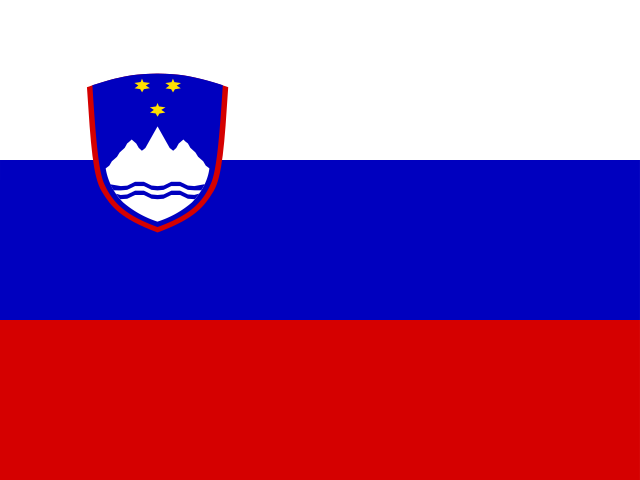 Slovenia
 Estonia
 Latvia
 Lithuania
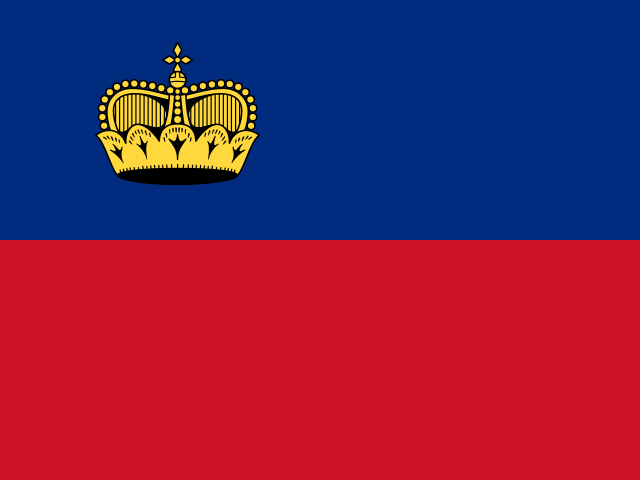 Liechtenstein
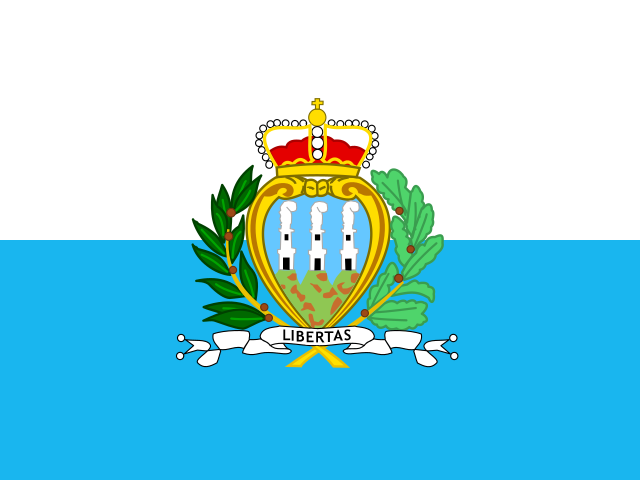 San Marino
 Gibraltar
 Monaco
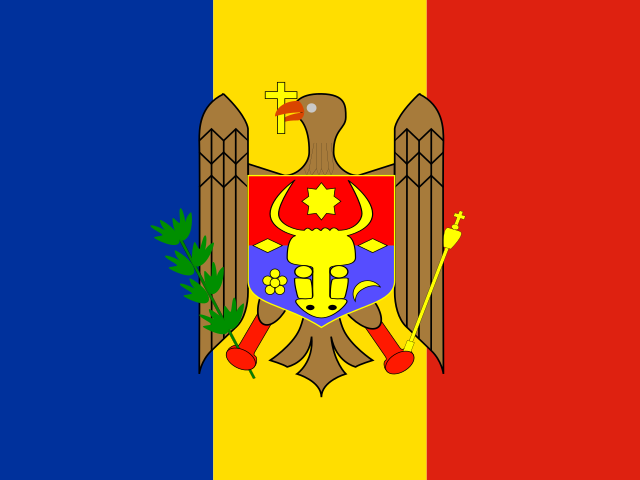 Moldova
 Andorra
 Serbia
 Jersey
 Guernsey
 Isle of Man
 Türkiye
 Montenegro
 Bosnia & Herzegovina
 Kosovo
 Albania
 North Macedonia
 Ukraine
 Russia
 Belarus
 United Arab Emirates
 Qatar
 Saudi Arabia
 New Zealand
 Australia
 Brazil
 Singapore
 Mexico
 Japan
 Malaysia
 India
Food Safety Records in Canada: Provincial Rules and Inspections
Canada food safety records explained: federal and provincial rules, inspections, Ontario, Quebec and BC examples, records and how digital logs help.
· Chef Hygiene
Do food businesses in Canada need food safety records? It depends on the province. Canada has no single national rulebook for restaurants. Food premises are regulated by the provinces and territories, and inspected by provincial or local public health teams. The federal Canadian Food Inspection Agency (CFIA) looks after food that is imported, exported or traded between provinces. This page explains how the system fits together, with official examples from Ontario, Quebec and British Columbia, what inspectors look for, where businesses go wrong, and how digital records help.
Every fact below comes from an official source, linked in the text and at the end. Where we could not confirm something on an official page, we say so. This is not legal advice: always check your own province and your local health unit. The app and this page work in English and French.
Contents
- The law: federal and provincial
- Three examples: Ontario, Quebec, British Columbia
- Inspections, temperatures, training and allergens
- The records inspectors ask for
- Where businesses go wrong
- By type of business
- Why digital records help in Canada
- How Chef Hygiene helps
- A fair price, on purpose
- Less paper
- FAQ
- Official sources
1. The law: federal and provincial
- Provinces and territories regulate restaurants. Restaurants, takeaways and cafés are regulated by the province or territory they are in. Many provinces let local public health units or municipalities enforce the rules (Health Canada).
- The federal role. The CFIA licenses businesses that import, export or trade food between provinces. A restaurant that works inside one province is not in that group. The federal Food and Drugs Act and the Safe Food for Canadians Regulations apply to those federal licence holders. If you also sell food across provincial borders, check inspection.canada.ca. We could not confirm the federal rules on paper or electronic records, so we do not state them.
- A national model code, not a national law. The Food Retail and Food Services Code (2016) is a model code. Each province chooses whether to adopt it.
- Language. Quebec has its own language rules. Notices posted for the public in Quebec must be in French, and an English-only app is allowed there only when no French version exists (OQLF). Chef Hygiene works in both English and French.
2. Three examples: Ontario, Quebec, British Columbia
Ontario
- The regulation. O. Reg. 493/17 (Food Premises), made under the Health Protection and Promotion Act. It came into force on 1 July 2018 (Ontario e-Laws).
- Who inspects. Local public health units. Toronto Public Health runs DineSafe for Toronto.
- Training. The Ministry of Health's Food Premises Reference Document, 2019 says at least one food handler or supervisor who has completed food handler training must be on the premises during every hour the premises operates (s. 32) (Ministry of Health).
- Public results. Under the same document, every board of health posts inspection results online (since January 2018). Toronto's DineSafe shows results for inspected establishments in Toronto, in a list or on a map, with green for pass, yellow for conditional pass and red for closed (City of Toronto: DineSafe).
- Written HACCP. The Ministry's reference document calls a written HACCP plan best practice. We did not find it as a legal duty.
Quebec
- The law. The Food Products Act and the Regulation respecting food, enforced by the Ministry of Agriculture, Fisheries and Food (MAPAQ).
- The permit. A restaurant needs a MAPAQ permit, renewed every year (Québec government: permit, in French).
- Training. One person with a food establishment manager attestation (12 hours) must be in charge of food hygiene. In addition, either a trained person (handler attestation of 6 hours, or a manager) is present during all opening hours, or at least 10% of the food staff are trained. Both attestations are valid for life. A training register is kept on site and for 12 months after a person leaves (Regulation respecting food, 2.2.4.1 to 2.2.4.3) (MAPAQ aide-memoire, in French).
- Records the law requires. A record of what you buy: product, quantity, date, and the supplier's name and address, kept at least 1 year. For a restaurant, invoices are enough (2.2.5 to 2.2.8).
- Thermometers. Every fridge, cold room and freezer needs a working thermometer accurate to within 1°C (2.1.3.2).
- No written plan. We found no rule that makes a restaurant keep a written HACCP or hygiene plan. MAPAQ advises a daily temperature log, but that is guidance.
- Fines. Under the Food Products Act, fines run from $500 to $100,000 depending on the offence (since 2021), doubled for a first repeat and tripled after that. A permit can be suspended or cancelled.
- Public information. There is no grade in Quebec. The government publishes the food establishments convicted in the last 24 months (Québec government: convictions, in French).
British Columbia
- The regulation. Food Premises Regulation, B.C. Reg. 210/99, under the Public Health Act (BC Laws).
- Food safety plan. Operators must write, maintain and follow a food safety plan and a sanitation plan (sections 23 and 24), and the local health authority must approve them (Government of BC: food safety plans).
- FOODSAFE. The operator holds FOODSAFE or an equal course, and when the operator is away, an employee who holds it is present (s. 10).
- Who inspects. Five regional health authorities: Vancouver Coastal Health, Fraser Health, Island Health, Interior Health and Northern Health. Results are published by the health authorities; check yours.
Other provinces have their own laws. For example, Manitoba sets 5°C or lower for hazardous food, and Alberta asks for a certified person on site.
3. Inspections, temperatures, training and allergens
Who inspects you, and public results
- Provincial or local public health inspectors. They check your premises, your food handling and your staff. We could not confirm an official fixed visit schedule for all of Canada, so we do not give one.
- No national grade. Results are public in most provinces, for example through Ontario's boards of health, Toronto DineSafe, British Columbia's health authorities, Alberta Health Services, Saskatchewan and Prince Edward Island.
- Quebec. No grade. Convictions are published, and so are the establishments whose permit is suspended.
Temperatures
Canada has no single national legal list. The numbers below are Health Canada guidance, the national model code, and examples from provincial law. Always check your province.
- Cold food. Fridges at 4°C or lower. Ontario and Quebec use 4°C. Manitoba law says hazardous food at 5°C or lower (M.R. 339/88 R).
- Hot food. 60°C or higher until served.
- Frozen food. -18°C or colder. In Quebec this is the legal limit.
- Cooking, internal temperature (Health Canada). Whole poultry 82°C. Poultry pieces and ground poultry 74°C. Egg dishes 74°C. Shellfish 74°C. Ground meat 71°C. Pork 71°C. Fish 70°C. Beef, veal and lamb steaks from 63°C (medium-rare) to 77°C (well done).
- Reheating. Leftovers to 74°C. British Columbia: within 2 hours.
- Cooling. From 60°C to 20°C within 2 hours, then to 4°C within another 4 hours, 6 hours in total. Quebec's MAPAQ gives 21°C instead of 20°C.
- Danger zone. 4°C to 60°C, where bacteria grow fastest.
Staff training
- Provinces ask for trained food handlers. Ontario, Quebec and British Columbia are described above. Alberta asks for a certified person, and with 6 or more food handlers a certified manager or supervisor on site. Manitoba asks for a certified food handler, and one on duty at all times when more than 5 handlers work at once.
- Records. Whatever your province asks, keep a record of who has been trained and when.
Allergens
- Eleven priority allergens. Health Canada lists: peanuts, tree nuts, sesame seeds, fish, crustaceans and molluscs, eggs, milk, soy, wheat and triticale, mustard and sulphites (Health Canada).
- Prepackaged food. The labelling rule (Food and Drug Regulations, B.01.010.1) is for prepackaged food. Allergens go in the ingredient list or a "Contains" statement.
- Restaurants. We found no federal law that makes restaurants list these allergens on menus. Provinces may add rules, so check yours. We could not confirm rules for loose food, food packed on site or delivery on an official page.
4. The records inspectors ask for
Rules differ, but these are the records that inspectors and official guidance point to most often:
- Fridge and freezer temperatures (Quebec: a thermometer in each unit is a legal duty; a daily log is advised).
- Cooking, cooling, reheating and hot-holding temperatures.
- Deliveries and supplier details. Quebec: purchase records for at least 1 year; invoices are enough.
- Cleaning and pest control records.
- Training records. Quebec: a training register. Other provinces: certificates for the people they require.
- Allergen information for every dish.
- Food safety plan and sanitation plan. Required in British Columbia, approved by the health authority.
- Inspection visits. The date, the inspector and what was found.
- Hazardous products. WHMIS 2015: employers must make sure hazardous products are labelled, keep the Safety Data Sheets available to staff, and train workers.
How long to keep them. It depends on the province. Quebec: at least 1 year for purchase records, and 12 months after a person leaves for the training register. Check yours.
5. Where businesses go wrong
- Gaps. Days with no checks written down.
- No action recorded. A fridge above 4°C with nothing written about what was done.
- Training not shown. Staff were trained, but nothing proves it.
- No trained person on shift. Ontario and Quebec both ask for one during opening hours.
- Allergens only by word of mouth. Even where no law forces it, a written chart is safer.
6. By type of business
The records you keep depend on what you do. Check your province for the rules that apply.
- Restaurant: daily fridge checks, cooking and hot-holding temperatures, cooling, deliveries, cleaning, and an allergen chart.
- Takeaway: the same as a restaurant, plus allergen information for phone and app orders.
- Café: fridges and displays, cleaning, and allergens for sandwiches and salads.
- Bakery: allergen records for every product, display temperatures for cream cakes, and labels for goods you pack.
- Dessert shop: fridge and freezer temperatures for desserts and ice cream, and allergens for toppings and sauces.
- Pub / bar / club: the same records as a restaurant for the food you serve.
- Community hall / venue: a permit or notice may be needed if you serve food as a business. Keep temperature and cleaning records for each event.
- Corner shop / grocery: fridge and freezer checks, delivery checks, and allergens for food you pack yourself.
- School / nursery kitchen: temperature and cleaning records, and careful allergen records for every child.
- Caterer / food truck: check the permit for mobile premises in your province, and keep temperatures during transport and at the event.
- Home kitchen business: the rules vary a lot by province. Ask your local health unit before you start.
7. Why digital records help in Canada
- No gaps go unnoticed. A missed check shows up the same day, not at the next inspection.
- Ready for the inspector. You can show everything at once, instead of looking for folders.
- Accepted? Quebec lets you keep purchase records in any form, and invoices are enough. For other records we found no official ban on electronic records, but ask your health unit if you are unsure.
8. How Chef Hygiene helps
Chef Hygiene follows Health Canada's safe temperatures and your province's rules. In Quebec it follows Quebec's own law, in French first, then English. Chef Hygiene does not issue MAPAQ's permit and is not approved by MAPAQ. What it does:
- Daily checks for fridges, freezers, cooking, hot holding, cooling, cleaning and deliveries, with the time, the staff member's name and photos. Saved records cannot be changed; corrections are added as new records.
- Your country's temperatures built in, such as 4°C fridges, 60°C hot holding and Health Canada's cooking temperatures.
- Food safety plan ("safe methods"). About 20 minutes: answer questions, check each method, sign it, set a review date and print it. Earlier versions are kept.
- Ready for inspection? Checks your last 4 weeks of records the way an inspector would and shows how many are ready.
- Allergen chart and labels. Every dish against the 11 priority allergens, a staff view on the kitchen tablet, and labels for food prepacked for direct sale, with allergens in bold.
- Staff training records.
- Inspector pack. Print all your records as one pack, or share them by secure link.
- 40 languages. Staff can use the app in their own language.
9. A fair price, on purpose
Chef Hygiene costs C$2.99 a month per site in Canada, and C$1.99 a month per site for bakeries, dessert shops and corner shops. The exact price is shown in your app store. Staff are unlimited, there is no contract, and there is a 14-day free trial.
We keep the price low on purpose. We want as many food businesses as possible, from a single food truck to a busy restaurant, to keep good records and stay out of trouble at inspection.
10. Less paper
A paper diary means printed sheets every day. One daily sheet per kitchen is 365 sheets a year, before you count delivery forms, cleaning rotas and training records. Digital records mean no record books to buy and fewer printed forms to throw away. That is less paper and less waste, and nothing to store in a back office.
11. FAQ
Do I legally need food safety records in Canada?
It depends on your province. There is no single national rule for restaurants. Some records are legal duties, such as Quebec's purchase records and training register, and British Columbia's food safety plan. Check your province.
Who inspects restaurants in Canada?
Provincial or territorial governments and their local public health units. The CFIA covers food that is imported, exported or traded between provinces.
Does the federal government regulate restaurants?
Not directly. Restaurants working inside one province are regulated by that province. The CFIA licenses businesses that import, export or trade food across provinces.
Is there a national hygiene grade?
No. Results are public in most provinces. Toronto uses green, yellow and red under DineSafe. Quebec has no grade, but publishes convictions.
What temperature must hot food be kept at?
60°C or higher until served.
What is Ontario's food premises regulation?
O. Reg. 493/17, in force since 1 July 2018. The Ministry's guide says a trained food handler or supervisor must be on the premises every hour of operation.
Do I need a permit in Quebec?
Yes. A restaurant needs a MAPAQ permit, renewed every year.
What does British Columbia require?
A food safety plan and a sanitation plan that the health authority approves, and FOODSAFE for the operator.
What temperature must my fridge be?
4°C or lower in the national guidance and in Ontario and Quebec. Manitoba law says 5°C or lower. Check your province.
What temperature should I cook chicken to?
Whole poultry to 82°C. Poultry pieces and ground poultry to 74°C (Health Canada).
How long must I keep my records?
It depends on the province. In Quebec, purchase records are kept at least 1 year.
Are digital records accepted?
We found no official ban on electronic records. Quebec allows invoices as purchase records. Ask your local health unit if you are unsure.
What are the priority allergens in Canada?
Eleven: peanuts, tree nuts, sesame seeds, fish, crustaceans and molluscs, eggs, milk, soy, wheat and triticale, mustard and sulphites.
Must restaurants list allergens on the menu?
We found no federal law that says so. The labelling rule is for prepackaged food. Provinces may add rules, so check yours.
Does the app work in French?
Yes. The app works in English and French, and in Quebec it puts French first.
How much does Chef Hygiene cost in Canada?
C$2.99 a month per site, or C$1.99 for bakeries, dessert shops and corner shops. The exact price is shown in your app store. Staff are unlimited, there is no contract and there is a 14-day free trial.
12. Official sources
- Health Canada: food safety and cooking temperatures
- Health Canada: safe food storage and cooling
- Health Canada: priority food allergens
- CFIA: food licences
- Justice Laws: Food and Drug Regulations B.01.010.1
- Ontario: O. Reg. 493/17 Food Premises
- Ontario Ministry of Health: Food Premises Reference Document, 2019
- City of Toronto: DineSafe
- Québec: restaurant permit (in French)
- MAPAQ: aide-memoire for restaurant operators (in French)
- Québec: food establishment convictions (in French)
- BC Laws: Food Premises Regulation, B.C. Reg. 210/99
- Government of BC: food safety and sanitation plans
- WHMIS 2015 (Government of Canada)
Chef Hygiene keeps your Canadian food safety records ready for every inspection: