 United Kingdom
 Ireland
 Iceland
 United States
 Canada
 France
 Spain
 Netherlands
 Belgium
 Portugal
 Germany
 Austria
 Poland
 Romania
 Italy
 Greece
 Denmark
 Switzerland
 Luxembourg
 Cyprus
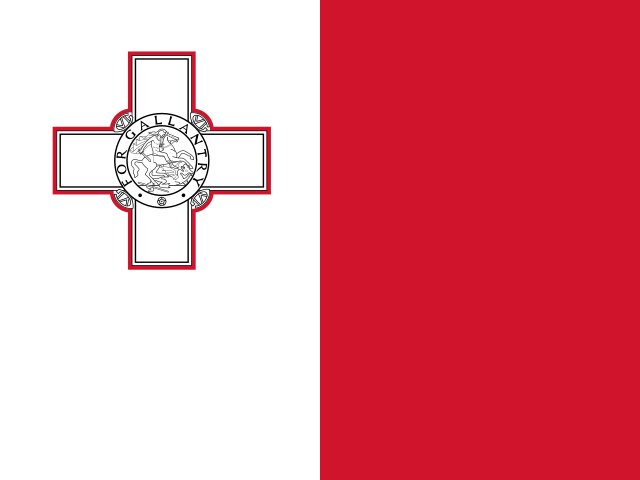 Malta
 Sweden
 Norway
 Finland
 Czechia
 Hungary
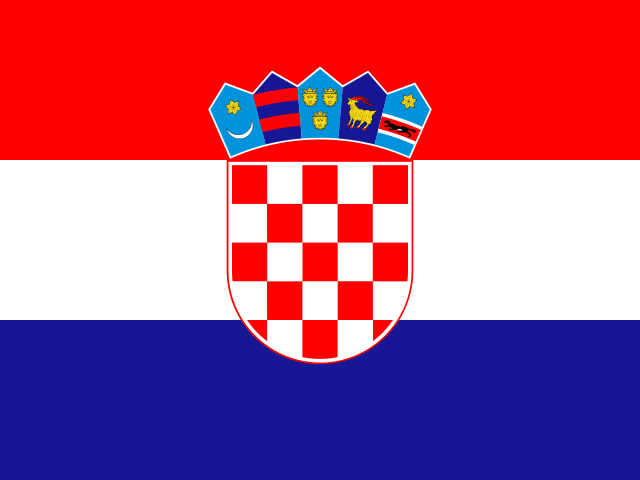 Croatia
 Bulgaria
 Slovakia
 Slovenia
 Estonia
 Latvia
 Lithuania
 Liechtenstein
 San Marino
 Gibraltar
 Monaco
 Moldova
 Andorra
 Serbia
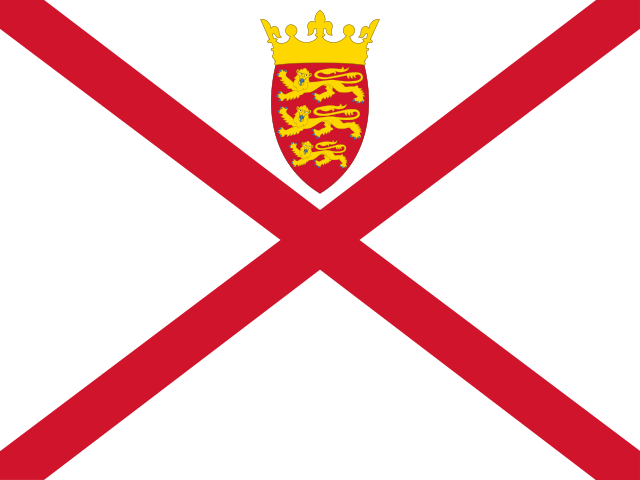 Jersey
 Guernsey
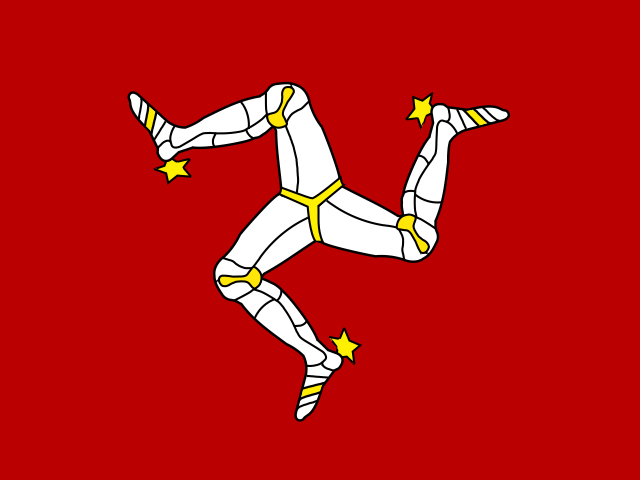 Isle of Man
 Türkiye
 Montenegro
 Bosnia & Herzegovina
 Kosovo
 Albania
 North Macedonia
 Ukraine
 Russia
 Belarus
 United Arab Emirates
 Qatar
 Saudi Arabia
 New Zealand
 Australia
 Brazil
 Singapore
 Mexico
 Japan
 Malaysia
 India
Food Safety Records in Wales: Laws, Inspections and Ratings
Wales food safety records: the rating sticker law, fixed penalties, appeals, council inspections, the records inspectors want and digital records.
· Chef Hygiene
Do Welsh food businesses need food safety records? Yes. Every food business in Wales must have permanent food safety procedures based on HACCP principles, with records that fit the size of the business. Your council's food officer checks them at inspection, and they count towards your food hygiene rating. In Wales that rating is also a legal matter: you must display your rating sticker at each customer entrance. The law does not say records must be on paper: the official Safer Food, Better Business pack allows an electronic diary.
This page covers Wales only; the other UK nations have their own pages. Every fact below comes from an official source, linked in the text and at the end. Details we could not confirm are left out.
## Contents
- The law: what every food business in Wales must do
- Who inspects you, and how often
- Your food hygiene rating in Wales
- The records inspectors ask for
- Where businesses lose marks
- By type of business
- Why digital records help in Wales
- How Chef Hygiene helps
- A fair price, on purpose
- Less paper
- FAQ
- Official sources
## 1. The law: what every food business in Wales must do
- The main laws. The retained EU Regulation 852/2004 on food hygiene, enforced in Wales by the Food Hygiene (Wales) Regulations 2006. Wales also has its own rating law: the Food Hygiene Rating (Wales) Act 2013.
- Register first. Register your food business with your local council at least 28 days before you start trading. This includes businesses run from home, and mobile units, stalls and vans (Register a food business, GOV.UK).
- A food safety management system. You need permanent procedures based on HACCP principles, with records that fit the size of your business (Regulation 852/2004, Article 5). The law does not make you use a particular pack. Safer Food, Better Business is the official pack for England and Wales. It helps you meet the rule, but it is not compulsory (Safer Food, Better Business, GOV.UK).
- Temperatures. In Wales, as in England, chilled food must be kept at 8°C or below, and hot food held at 63°C or above. Fridges should be set to 5°C or below (guidance).
- Staff training. No law requires a food hygiene certificate. Food handlers must be supervised and instructed or trained for the work they do, and the person who runs your HACCP-based procedures must be trained in them (Regulation 852/2004, Annex II).
- Staff who are ill. Staff who are ill must not handle food and must report it at once.
- Allergens. You must manage the 14 allergens. The rules for Wales are in the Food Information (Wales) Regulations 2014. Food prepacked for direct sale (PPDS) needs a label with the name of the food and a full ingredient list, with allergens emphasised. This is known as Natasha's Law and has applied since 1 October 2021. The FSA guidance on PPDS food covers England, Northern Ireland and Wales (Introduction to allergen labelling for PPDS food, GOV.UK).
- Traceability. Keep purchase records: the supplier's name and address, the product, the quantity and the date.
## 2. Who inspects you, and how often
- Your council. The food safety officer at your local council in Wales inspects food businesses. The Food Standards Agency (FSA) runs the Food Hygiene Rating Scheme in Wales and sets the Food Law Code of Practice (Wales) that councils follow.
- How often. Councils inspect by risk. Higher-risk businesses are visited more often than lower-risk ones, and each Welsh council keeps a programme that sets the frequency. We have not confirmed an exact interval for Wales on an official page, so we do not give one.
- If things are wrong. After a low rating, the officer explains what to improve. Under the Food Hygiene (Wales) Regulations 2006, a hygiene improvement notice must give you at least 14 days to put things right (regulation 6). The same Regulations allow hygiene emergency prohibition notices where there is an imminent risk to health (regulation 8).
## 3. Your food hygiene rating in Wales
- FHRS, 0 to 5. The Food Hygiene Rating Scheme gives a rating from 0 ("urgent improvement necessary") to 5 ("very good"). Three things are scored: how hygienically food is handled; the condition of the building and equipment; and how you manage food safety, including your procedures, records and training (FHRS guidance for businesses, GOV.UK).
- Display is the law. Under the Food Hygiene Rating (Wales) Act 2013, you must display your rating sticker in a visible place at or near each customer entrance, where customers can read it before they go in. The duty starts once the 21-day appeal period ends, or, if you appeal, once the appeal is decided. The sticker stops being valid when your rating does, and you must then remove it (section 7 of the Act).
- Fixed penalty. A council officer can offer a fixed penalty for breaking the display rules: £200 if paid within 28 days, or £150 if paid within 14 days (Schedule to the Act). If it is not paid, the matter can go to court.
- Takeaway menus and leaflets. If you supply takeaway food and your menu, leaflet or flyer shows food and prices and says how to order without visiting, it must carry a bilingual (Welsh and English) statement. In English it reads: "Go to food.gov.uk/ratings to find out the food hygiene rating of our business" or "ask us for our food hygiene rating when you order". It must be easy to see (Promotion of Food Hygiene Rating (Wales) Regulations 2016). You may also show your rating on these materials if you follow the rules for size and colour.
- Publication. A 5 is published as soon as it is uploaded. Ratings of 0 to 4 are published 3 to 5 weeks after the inspection, to allow time for an appeal. In Wales you can ask in writing for early publication.
- Appeal. You must appeal in writing, on the standard form, within 21 days of being told your rating, weekends and public holidays included. You can appeal if the rating does not reflect the standards at the time of the inspection, or if the rating criteria were not applied correctly. An officer who was not involved in the first rating decides, within 21 days of receiving the appeal (section 5 of the Act).
- Right to reply. You can send written comments at any time up to your next inspection. They are published next to your rating.
- Re-rating. Once you have put things right, you can ask in writing for a re-rating visit. In Wales every council charges a fee, and you must be displaying your current sticker. The visit takes place within three months of your written request. The new rating can go up, down, or stay the same.
- Welsh language. The statement on takeaway menus and leaflets must be in Welsh and English. The Welsh Government's food hygiene ratings page is available in Welsh (Cymraeg) as well as English (Food hygiene ratings, GOV.WALES).
## 4. The records inspectors ask for
The law asks for records that fit your business. The official packs show what that usually means for a kitchen:
- Opening and closing checks every day: fridges, freezers and displays working, cleaning done, staff fit for work.
- Temperature records: fridges, freezers and chilled displays; cooking; hot holding; cooling and reheating.
- Deliveries: what arrived, when, from which supplier, and whether it was at the right temperature.
- Cleaning of equipment and surfaces, and any deep cleans.
- Problems and what you did about them, for example a fridge running warm and the food you threw away.
- Staff training and who has been shown what.
- Allergen information for every dish.
- Supplier records for traceability.
- A regular review of your system, as the Safer Food, Better Business pack advises.
How long to keep them. The law says "an appropriate period". Safer Food, Better Business says to store completed diary pages safely until your next visit from the council's food safety officer. It also allows you to keep your diary electronically.
## 5. Where businesses lose marks
Your rating is not only about clean surfaces. Management of food safety, including your procedures, records and training, is one of the three things scored. Common record problems are easy to picture:
- Gaps. Days with no checks written down, or a diary that stops halfway through the month.
- No action recorded. A fridge reading that was too warm, with nothing written about what was done.
- Lost or damaged pages. Paper gets wet, greasy or thrown away.
- Training not shown. Staff were trained, but nothing proves it.
Fixing record problems is often cheaper and quicker than building work.
## 6. By type of business
The rules are the same for every food business, but the records you keep depend on what you do.
- Restaurant: full daily checks, cooking and hot-holding temperatures, cooling, deliveries, cleaning and allergens for every dish. Your rating sticker goes at each customer entrance.
- Takeaway: the same as a restaurant, plus the bilingual rating statement on any menu, leaflet or flyer that shows food and prices and says how to order without visiting.
- Café: fridges and displays, cleaning, and labels for sandwiches and salads you pack before the customer orders (prepacked for direct sale).
- Bakery / cake shop: allergen records (nuts, sesame, gluten and eggs are common), PPDS labels for wrapped goods, and display temperatures for cream cakes.
- Dessert shop: fridge and freezer temperatures for desserts and ice cream, and allergens for toppings and sauces.
- Pub / bar / club: the same records as a restaurant for the food you serve, and allergen information for every dish.
- Community hall / venue: register if you serve food regularly; keep temperature and cleaning records for each event.
- Corner shop / grocery: fridge and freezer checks, delivery checks, date checks and labels for food you pack yourself.
- School / nursery kitchen: temperature and cleaning records, and careful allergen records for every child.
- Caterer / food van: register with your council (vans and stalls too); keep temperatures during transport and at the event, and keep your records with you.
- Home kitchen business: register with your council like any other food business, and keep the same kind of records.
## 7. Why digital records help in Wales
- They are allowed. The Safer Food, Better Business pack allows an electronic diary.
- No gaps go unnoticed. A missed check shows up the same day, not at the next inspection.
- Problems come with their fix. When a reading is out of range, the record can ask what you did about it.
- Every staff member can take part. Staff can record checks on a phone or tablet, in their own language.
- Ready for a re-rating. Welsh councils charge for re-rating visits, so a clear record of the improvements you made helps you show you are ready.
## 8. How Chef Hygiene helps
Chef Hygiene follows the rules for Wales and the official packs, including Safer Food, Better Business. What it does:
- Daily checks for fridges, freezers, cooking, hot holding, cooling, cleaning and deliveries, with the time, the staff member's name and photos. Saved records cannot be changed; corrections are added as new records.
- Your country's temperatures built in, such as 8°C for chilled food and 63°C for hot holding.
- Food safety plan ("safe methods"). About 20 minutes: answer questions, check each method, sign it, set a review date and print it.
- Ready for inspection? Checks your last 4 weeks of records the way an inspector would (daily checks, fridges, sign-off, fixes for failed checks, review, training, allergens) and shows how many are ready.
- Path to 5. Link your business to the FSA rating list and add the scores from your inspection letter. The app shows, score by score, what to put right first.
- Inspector's visits log. Write down each visit: date, type, officer, scores and rating.
- Practice inspection. A free walk round of about 10 minutes, with questions for your type of business. It shows your likely FHRS score and a "Put it right" list.
- Allergen chart and labels. Every dish against the 14 allergens, a staff view on the kitchen tablet, and labels for food prepacked for direct sale, with allergens in bold.
- Inspector pack. Print all your records as one pack, or share them by secure link.
- 40 languages. Staff can use the app in their own language.
## 9. A fair price, on purpose
Chef Hygiene costs £2.99 a month per site in the UK, and £1.99 a month per site for bakeries, dessert shops and corner shops. Staff are unlimited, there is no contract, and there is a 14-day free trial.
We keep the price low on purpose, so every food business, from a single van to a busy restaurant, can keep good records.
## 10. Less paper
One daily sheet per kitchen is 365 sheets a year, before delivery forms, cleaning rotas and training records. Digital records mean no record books to buy and fewer printed forms to throw away.
## 11. FAQ
### Do I legally need food safety records in Wales?
Yes. You need procedures based on HACCP principles, with records that fit the size of your business (Regulation 852/2004, Article 5).
### Are digital food safety records accepted in Wales?
Yes. The official Safer Food, Better Business pack allows you to keep your diary electronically.
### Do I have to use Safer Food, Better Business?
No. It is an official pack for England and Wales that helps you meet the law, but it is not compulsory. You can use another system that does the same job.
### How long must I keep my records?
The law says "an appropriate period". Safer Food, Better Business says to store completed diary pages safely until the council's next visit.
### What temperature must my fridge be?
By law, chilled food must be at 8°C or below. Guidance says to set fridges to 5°C or below.
### What temperature must hot food be kept at?
63°C or above.
### Do my staff need a food hygiene certificate?
No law requires one. Staff must be supervised and instructed or trained for their work, and you should be able to show it.
### Do I have to display my food hygiene rating in Wales?
Yes. The Food Hygiene Rating (Wales) Act 2013 requires you to display your sticker at or near each customer entrance, where customers can read it before they enter.
### What is the penalty for not displaying my rating?
A council officer can offer a fixed penalty of £200, payable within 28 days, or £150 if you pay within 14 days. If it is not paid, the matter can go to court.
### Does my takeaway menu need anything about my rating?
Yes, if it shows food and prices and says how to order without visiting. It needs a bilingual (Welsh and English) statement pointing customers to food.gov.uk/ratings and reminding them they can ask for your rating when they order.
### Can I appeal my rating?
Yes, in writing on the standard form within 21 days of being told your rating. An officer who was not involved in your rating decides it.
### Can I ask for a re-rating, and does it cost anything?
Yes, once you have made the improvements. In Wales every council charges a fee. You must be displaying your current sticker, and the visit takes place within three months of your written request.
### What allergen records do I need?
Information on the 14 allergens for every dish. Food prepacked for direct sale needs a label with the name and a full ingredient list, with allergens emphasised.
### Do I need to register a food van or a home business?
Yes. Register with your council at least 28 days before you start trading.
### How much does Chef Hygiene cost in Wales?
£2.99 a month per site, or £1.99 for bakeries, dessert shops and corner shops, with unlimited staff, no contract and a 14-day free trial.
### Can Chef Hygiene raise my rating for me?
No. Only your council gives ratings. Chef Hygiene helps you keep the records, fix problems and show your inspector everything.
## 12. Official sources
- Food Hygiene Rating (Wales) Act 2013 (legislation.gov.uk)
- Food Hygiene Rating (Wales) Act 2013, section 5: appeals (legislation.gov.uk)
- Food Hygiene Rating (Wales) Act 2013, Schedule: fixed penalties (legislation.gov.uk)
- Food Hygiene Rating (Promotion of Food Hygiene Rating) (Wales) Regulations 2016 (legislation.gov.uk)
- Food Hygiene (Wales) Regulations 2006 (legislation.gov.uk)
- Food Information (Wales) Regulations 2014 (legislation.gov.uk)
- Regulation (EC) No 852/2004, article 5 (legislation.gov.uk)
- Food Hygiene Rating Scheme: guidance for businesses (GOV.UK)
- Safer Food, Better Business (GOV.UK)
- Register a food business (GOV.UK)
- Introduction to allergen labelling for PPDS food (GOV.UK)
- Food hygiene ratings (GOV.WALES)
Chef Hygiene keeps your Welsh food safety records ready for every inspection: