 United Kingdom
 Ireland
 Iceland
 United States
 Canada
 France
 Spain
 Netherlands
 Belgium
 Portugal
 Germany
 Austria
 Poland
 Romania
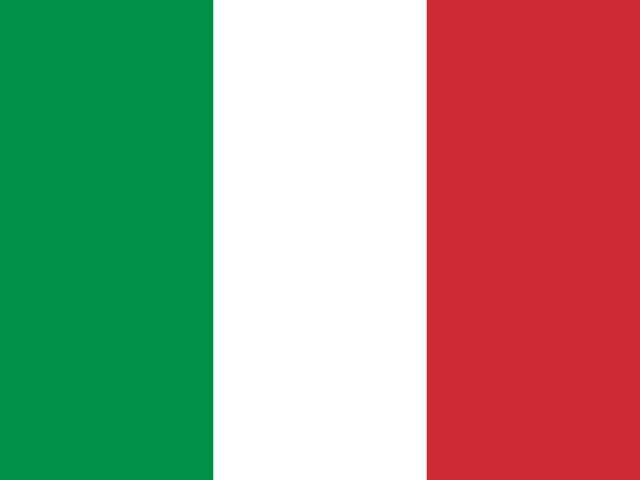 Italy
 Greece
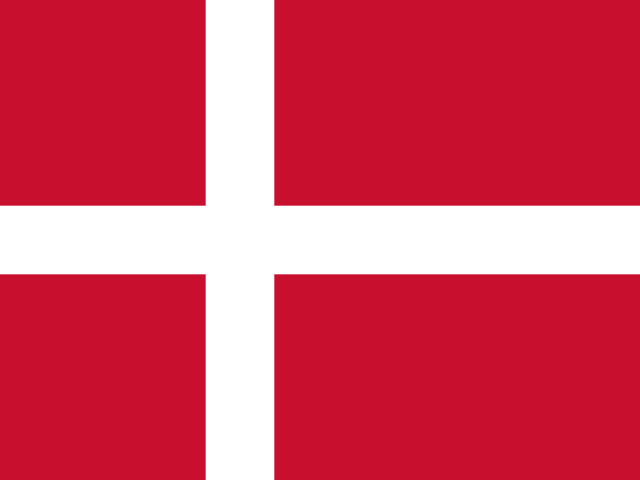 Denmark
 Switzerland
 Luxembourg
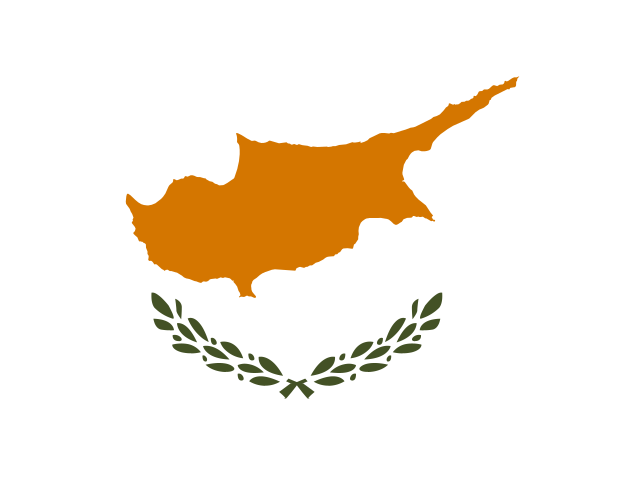 Cyprus
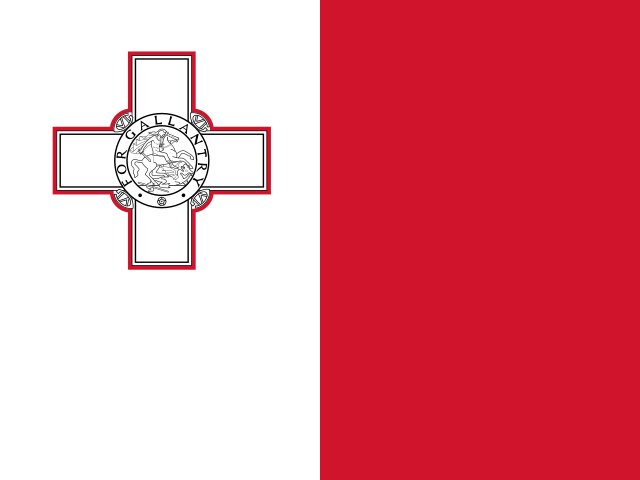 Malta
 Sweden
 Norway
 Finland
 Czechia
 Hungary
 Croatia
 Bulgaria
 Slovakia
 Slovenia
 Estonia
 Latvia
 Lithuania
 Liechtenstein
 San Marino
 Gibraltar
 Monaco
 Moldova
 Andorra
 Serbia
 Jersey
 Guernsey
 Isle of Man
 Türkiye
 Montenegro
 Bosnia & Herzegovina
 Kosovo
 Albania
 North Macedonia
 Ukraine
 Russia
 Belarus
 United Arab Emirates
 Qatar
 Saudi Arabia
 New Zealand
 Australia
 Brazil
 Singapore
 Mexico
 Japan
 Malaysia
 India
Food Safety Records in Slovakia: Laws, RÚVZ Inspections and Fines
Slovak food safety records explained: the law, RÚVZ inspections, published decisions, records inspectors ask for, common failures and how digital records help.
· Chef Hygiene
Do food businesses in Slovakia need food safety records? Yes. Slovak food businesses must run their own checks based on HACCP principles and keep records. Catering is inspected by the regional public health offices (RÚVZ), which work under the Public Health Authority (ÚVZ SR). Slovakia has no public hygiene rating or sticker, but final decisions on measures and fines are published on the authority's website. This page explains the Slovak rules, what inspectors look for, where businesses go wrong, and how digital records help.
Every fact below comes from an official source, linked in the text and at the end. Where we could not confirm something, we say so. The Slovak texts are the legal ones; ask your regional office (RÚVZ) if you are unsure.
Contents
- The law: what every Slovak food business must do
- Who inspects you, and how often
- No rating, but published decisions
- The records inspectors ask for
- Where businesses go wrong
- By type of business
- Why digital records help in Slovakia
- How Chef Hygiene helps
- A fair price, on purpose
- Less paper
- FAQ
- Official sources
1. The law: what every Slovak food business must do
- The main laws. EU Regulation 852/2004 on food hygiene; the Food Act 152/1995 (Slov-Lex); the Public Health Act 355/2007 (Slov-Lex); and Decree 533/2007 of the Ministry of Health on catering hygiene (Slov-Lex).
- Register each premises before you start. You must ask the control authority to register each premises before you begin work. You must tell the authority about any change of activity, or closing, within 5 working days (Food Act, § 6(1)).
- A decision before operation. Under the Public Health Act (§ 13(4)), the regional office decides on putting certain premises into operation. Our notes say some premises need only a written notice, such as quick-service stands, mobile sales and events. We could not confirm the full list, so ask your RÚVZ which route applies to you.
- Own checks based on HACCP, with records. You must apply HACCP-based procedures (Regulation 852/2004, Article 5) and train staff in food hygiene and HACCP (Food Act, § 4). You must keep records of disinfection and of insect and rodent control (Food Act, § 4).
- Temperatures are in the law. Slovakia is unusual: Decree 533/2007 sets real numbers.
- Chilled store: 2 to 6°C. Semi-finished and ready dishes may only be kept at 0 to 4°C, and only the items listed in annex 2.
- Freezer store: -18°C or colder.
- Cooking: the core of meat must reach at least 70°C.
- Hot holding: solid dishes at 60°C or hotter, soups and sauces at 65°C or hotter, served within 4 hours of finishing. In transport keep them at 65°C or hotter until served.
- Cooling: roast, stewed or boiled meat in one piece, dumplings and rice must be cooled within 90 minutes of preparation. Do not put warm food in the cold room.
- Reheating: those dishes must reach at least 70°C in the centre before serving.
- Cold display: nothing may be kept above 8°C. At 5 to 8°C, salads may stay 6 hours, sandwiches 3 hours, and marinated cheese and cold cuts 12 hours.
- Thawing: only in a thawing unit or a fridge at 4°C or colder, never in water or at kitchen temperature.
- Frying fat: not above 180°C unless the maker says otherwise. Fat used for continuous frying is changed within 24 hours.
- Staff competence. The owner working alone, the responsible manager and every employee who does food work need professional competence (odborná spôsobilosť). Proof is an RÚVZ certificate after an exam, or a listed school qualification such as cook or waiter. Helpers such as cleaners are exempt. It does not expire (Act 355/2007, § 16f).
- Medical fitness. A doctor's written confirmation of medical fitness is needed before food work (Decree 585/2008, § 22). The law sets no expiry date.
- Staff who are ill. A worker with a doctor-diagnosed infection or carrier state must tell the employer (Act 355/2007, § 51). EU law bars food handling with diarrhoea, infected wounds or skin infections.
- Allergens. Information on food that is not prepacked must be written. See section 6 and the FAQ. The rule is Decree 243/2015, § 3a (Slov-Lex).
- Meat origin. For ready dishes, the country of origin of pork, beef, sheep, goat and poultry must be shown in writing, visibly (Food Act, § 9).
2. Who inspects you, and how often
- The public health offices. Catering is inspected by the Public Health Authority (ÚVZ SR) and its 36 regional offices (RÚVZ), not by the veterinary and food administration (ÚVZ SR).
- Unannounced. Visits are normally unannounced and planned by risk.
- How often. We could not confirm an official fixed visit schedule, so we do not give one.
- On the spot. The inspector writes orders in the control record (záznam o úradnej kontrole potravín). The Food Act lets the authority suspend operation or close the premises, wholly or partly, where the risk cannot be removed another way (§ 20(12)).
3. No rating, but published decisions
- No rating. Slovakia has no hygiene rating, sticker or duty to display a result.
- Final decisions are published. The authorities publish final decisions on measures and on fines on their websites (Food Act, § 20(16)).
- Fines are set by law. The Food Act (§ 28) sets fines by offence. For example, not training staff in hygiene and HACCP: EUR 100 to 1,000. Breaking hygiene rules in making and handling food: EUR 100 to 100,000. Food without the required allergen information: EUR 1,000 to 500,000. A repeat of the same breach within a year can be fined up to double.
- What this means for you. Good records show an inspector that your own checks work every day.
4. The records inspectors ask for
The law asks for records that fit your business. In practice, expect these:
- Temperature checks of fridges, freezers and cold stores, taken with a calibrated thermometer, at a frequency you set (Decree 533/2007, § 3).
- Goods-in checks, kept for 2 years (Act 355/2007, § 26).
- Disinfection, insect and rodent control records (Food Act, § 4).
- Supplier and customer records for traceability (Food Act, § 28 lists missing records as an offence).
- Cooking, cooling, reheating and hot-holding checks, to show the limits in Decree 533/2007 are met.
- Staff proof: professional competence, medical fitness and hygiene training.
- Allergen information for every dish.
- Your HACCP-based plan.
How long to keep them. The only fixed period we confirmed is 2 years for goods-in checks. For other records we found no Slovak figure; the EU rule is "an appropriate period".
5. Where businesses go wrong
- Gaps. Days with no temperature checks written down.
- Cold chain breaks. A fridge above the legal limit with nothing written about what was done.
- Rules not known. Cooling or hot-holding limits from Decree 533/2007 not followed.
- No allergen information. The fine range for this is among the highest in the Food Act.
- Missing staff papers. No proof of professional competence or medical fitness.
- Lost or damaged pages. Paper gets wet, greasy or thrown away.
- Training not shown. Staff were trained, but nothing proves it.
- Not registering. Premises must be registered before work starts, and changes reported within 5 working days.
6. By type of business
The rules are the same for every food business, but the records you keep depend on what you do.
- Restaurant: daily temperature checks, cooking, cooling, hot holding, goods-in, cleaning, and written allergen information (numbers 1 to 14 after "Obsahuje", or full names).
- Takeaway: the same as a restaurant, plus hot food kept at 65°C or hotter in transport until served. For phone and app orders, EU rules require allergen information before purchase and at delivery.
- Café: fridges and displays, the cold display time limits for sandwiches and salads, and allergens at the counter or on the menu.
- Bakery / cake shop: allergen information at the counter where food is sold loose, display temperatures for cream cakes, and labels for goods you pack. The Food Act has its own rule for selling unpackaged bakery products (§ 12).
- Dessert shop: fridge and freezer temperatures, and allergens for toppings and sauces at the counter.
- Pub / bar / club: the same records as a restaurant for the food you serve, and allergen numbers on the menu.
- Community hall / venue: events are on our notes' notice-only list, but we could not confirm the exact rule; ask your RÚVZ. Keep temperature and cleaning records for each event.
- Corner shop / grocery: shops that sell food are usually checked by the veterinary and food administration (ŠVPS), not the public health offices; we could not confirm the exact split for every shop, so ask. Keep fridge and freezer checks and delivery checks.
- School / nursery kitchen: catering is inspected by the public health offices. Keep temperature, cleaning and goods-in records, and careful allergen records for every child.
- Caterer / food van: our notes say mobile sales need a written notice to the regional office before starting. Keep temperatures during transport (65°C or hotter for hot dishes) and keep your records with you.
- Home kitchen business: we could not confirm the Slovak rules for home kitchens, so ask your RÚVZ before you start. Registration and HACCP-based checks apply to any food business.
Allergen rules in short (Decree 243/2015, § 3a). On a menu, show the allergen number (1 to 14) after the word "Obsahuje", or the full name. For food sold at a counter or by self-service, the allergen list must be in a well-visible place at the counter. If you hand out a separate menu, show allergens at each dish and include the list in the menu.
7. Why digital records help in Slovakia
- Accepted in the EU. The European Commission's guidance on HACCP flexibility (notice 2022/C 355/01) supports records in the form that suits the business. We could not find a Slovak page that says so directly, so ask your RÚVZ if you are unsure.
- No gaps go unnoticed. A missed check shows up the same day, not at the next inspection.
- Problems come with their fix. When a reading is out of range, the record can ask what you did about it.
- Nothing is lost. No wet, greasy or missing pages.
- Ready for the inspector. You can show everything at once, instead of looking for folders.
- Every staff member can take part. Staff can record checks on a phone or tablet, in their own language.
8. How Chef Hygiene helps
Chef Hygiene follows the Slovak rules, including the temperatures in Decree 533/2007. What it does:
- Daily checks for fridges, freezers, cooking, hot holding, cooling, cleaning and deliveries, with the time, the staff member's name and photos. Saved records cannot be changed; corrections are added as new records.
- Your country's rules built in, such as the Slovak temperature limits.
- Food safety plan. About 20 minutes: answer questions, check each method, sign it, set a review date and print it. Earlier versions are kept.
- Ready for inspection? Checks your last 4 weeks of records the way an inspector would and shows how many are ready.
- Inspector's visits log. Write down each visit: date, type and officer.
- Practice inspection. A free walk round of about 10 minutes, with questions for your type of business and a "Put it right" list. It shows a likely result in the Slovak scheme.
- Allergen chart and labels. Every dish against the 14 allergens, a staff view on the kitchen tablet, and labels for food prepacked for direct sale, with allergens in bold.
- Staff training records.
- Inspector pack. Print all your records as one pack, or share them by secure link.
- 40 languages. Staff can use the app in their own language, including Slovak.
9. A fair price, on purpose
Chef Hygiene costs €2.99 a month per site (€1.99 for bakeries, dessert shops and corner shops); the exact price is shown in your app store; unlimited staff, no contract, 14-day free trial.
We keep the price low on purpose. We want as many food businesses as possible, from a single food van to a busy restaurant, to keep good records and pass inspections.
10. Less paper
A paper diary means printed sheets every day. One daily sheet per kitchen is 365 sheets a year, before you count delivery forms, cleaning rotas and training records. Digital records mean no record books to buy and fewer printed forms to throw away. That is less paper and less waste, and nothing to store in a back office.
Language note. The app works in Slovak, so staff can keep records in their own language.
11. FAQ
Do I legally need food safety records in Slovakia?
Yes. You need HACCP-based own checks with records (Regulation 852/2004, Article 5; Food Act, § 4).
Who inspects restaurants in Slovakia?
The regional public health offices (RÚVZ), under the Public Health Authority (ÚVZ SR).
Do I have to register my premises?
Yes. You must ask the control authority to register each premises before you start, and report changes or closing within 5 working days (Food Act, § 6(1)).
Do I need a decision from the public health office before I open?
For many premises, yes: the regional office decides on putting them into operation (Act 355/2007, § 13(4)). Some premises only need a written notice. We could not confirm the full list, so ask your RÚVZ.
Are inspections announced?
Normally not. Visits are unannounced and planned by risk.
Is there a hygiene rating in Slovakia?
No. There is no rating, sticker or duty to display a result. Final decisions on measures and fines are published.
Can an inspector close my business?
The Food Act lets the authority suspend operation or close the premises, wholly or partly, where the risk cannot be removed another way (§ 20(12)).
How big can the fines be?
The Food Act sets fines by offence, from EUR 100 up to EUR 500,000. Missing allergen information is in the EUR 1,000 to 500,000 band (§ 28).
Are digital food safety records accepted?
EU guidance supports records in a form that suits the business. We could not find a Slovak page that says so directly, so ask your RÚVZ if you are unsure.
How long must I keep my records?
Goods-in checks: 2 years (Act 355/2007, § 26). For other records we found no fixed Slovak period; EU law says "an appropriate period".
What temperature must my fridge be?
The law says 2 to 6°C for a chilled store. Semi-finished and ready dishes may only be kept at 0 to 4°C (Decree 533/2007).
What temperature must hot food be kept at?
Solid dishes at 60°C or hotter, soups and sauces at 65°C or hotter, served within 4 hours of finishing.
What temperature should I cook meat to?
The core must reach at least 70°C. Reheated dishes must also reach at least 70°C in the centre.
How fast must cooked food be cooled?
Roast, stewed or boiled meat in one piece, dumplings and rice must be cooled within 90 minutes of preparation.
Do my staff need a certificate?
Yes, in the form of professional competence: an RÚVZ exam certificate or a listed school qualification, for the owner working alone, the manager and every food worker. Helpers such as cleaners are exempt. It does not expire.
Do staff need a medical certificate?
Yes. A doctor's written confirmation of medical fitness is needed before food work. The law sets no expiry date.
What allergen information do I need?
Written information for food that is not prepacked: numbers 1 to 14 after "Obsahuje" or full names on a menu; a visible list at the counter for counter or self-service food (Decree 243/2015, § 3a).
Can staff work when they are ill?
Not with diarrhoea, infected wounds or skin infections where food could be contaminated. Staff with a doctor-diagnosed infection or carrier state must tell the employer.
How much does Chef Hygiene cost in Slovakia?
€2.99 a month per site (€1.99 for bakeries, dessert shops and corner shops); the exact price is shown in your app store; unlimited staff, no contract, 14-day free trial.
12. Official sources
- Public Health Authority of the Slovak Republic (ÚVZ SR)
- Food Act 152/1995 (Slov-Lex)
- Public Health Act 355/2007 (Slov-Lex)
- Catering Decree 533/2007 (Slov-Lex)
- Allergen Decree 243/2015 (Slov-Lex)
- Regulation (EC) No 852/2004 (EUR-Lex)
Chef Hygiene keeps your Slovak food safety records ready for every inspection: