 United Kingdom
 Ireland
 Iceland
 United States
 Canada
 France
 Spain
 Netherlands
 Belgium
 Portugal
 Germany
 Austria
 Poland
 Romania
 Italy
 Greece
 Denmark
 Switzerland
 Luxembourg
 Cyprus
 Malta
 Sweden
 Norway
 Finland
 Czechia
 Hungary
 Croatia
 Bulgaria
 Slovakia
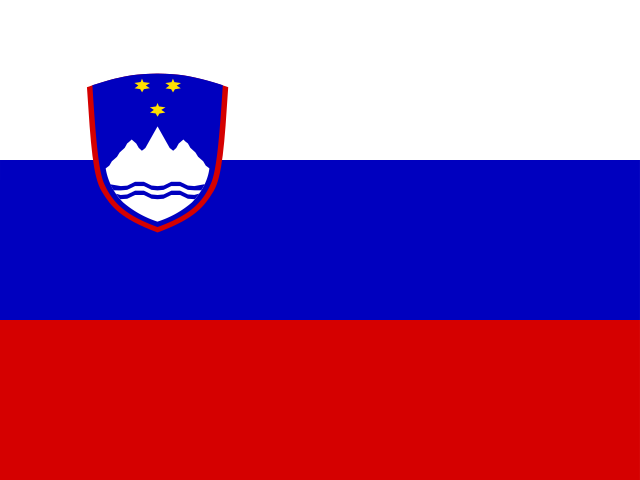 Slovenia
 Estonia
 Latvia
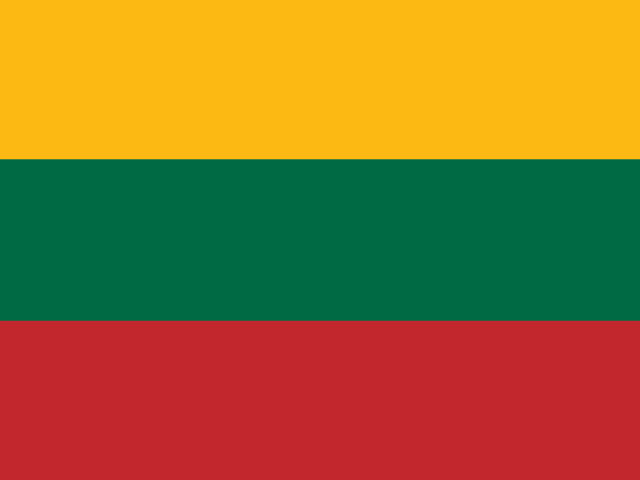 Lithuania
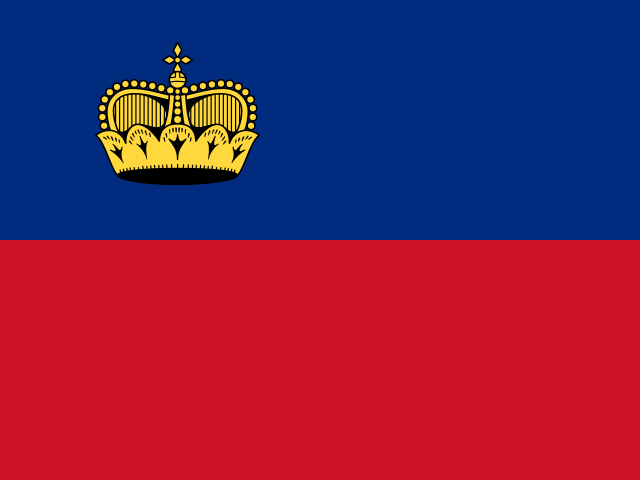 Liechtenstein
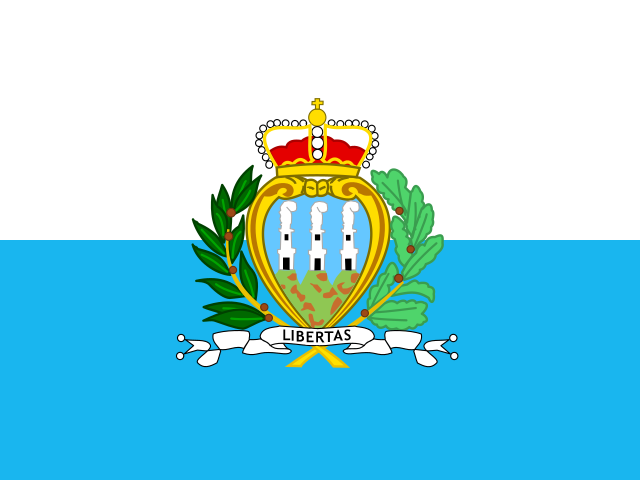 San Marino
 Gibraltar
 Monaco
 Moldova
 Andorra
 Serbia
 Jersey
 Guernsey
 Isle of Man
 Türkiye
 Montenegro
 Bosnia & Herzegovina
 Kosovo
 Albania
 North Macedonia
 Ukraine
 Russia
 Belarus
 United Arab Emirates
 Qatar
 Saudi Arabia
 New Zealand
 Australia
 Brazil
 Singapore
 Mexico
 Japan
 Malaysia
 India
Food Safety Records in Norway: Laws, Inspections and Smilefjes
Norway food safety records explained: IK-mat, Mattilsynet inspections, Smilefjes results, the records inspectors ask for and how digital records help.
· Chef Hygiene
Do food businesses in Norway need food safety records? Yes. Every food business must have written internal control (called IK-mat) based on HACCP principles, and must register with Mattilsynet, the Norwegian Food Safety Authority, before it starts. Mattilsynet inspects restaurants and cafés and gives each one a Smilefjes (smiley) result. The report must hang by the entrance and is published online. This page explains the Norwegian rules, what inspectors look for, where businesses go wrong, and how digital records help.
Norway is not in the EU, but it applies the EU food hygiene rules through the EEA, plus some national rules. Every fact below comes from an official source, linked in the text and at the end. Where the law sets no number and a number comes from Mattilsynet guidance, we say so.
Contents
- The law: what every Norwegian food business must do
- Who inspects you, and how often
- Smilefjes: the public result
- The records inspectors ask for
- Where businesses go wrong
- By type of business
- Why digital records help in Norway
- How Chef Hygiene helps
- A fair price, on purpose
- Less paper
- FAQ
- Official sources
1. The law: what every Norwegian food business must do
- The main laws. The Food Act (matloven, 2003), the hygiene regulation (næringsmiddelhygieneforskriften, 2008), which brings in EU Regulation 852/2004, and the internal control regulation for food (IK-mat). The smiley scheme has its own regulation, the smilefjesforskriften (Food Act, Lovdata).
- Register before you start. You must register your food business with Mattilsynet before you begin. Mattilsynet then decides when to inspect, based on risk and its capacity (Mattilsynet: start package for new food businesses). Mattilsynet's helpline is 22 40 00 00.
- Written internal control (IK-mat). You need written routines for what to do when something goes wrong, how to stop it happening again, a regular review, and using only the current routines. The control must fit the kind, size and risks of your business (IK-mat regulation, Lovdata).
- HACCP principles. The person responsible must keep permanent procedures based on HACCP principles (Regulation 852/2004, article 5). A restaurant normally needs no full HACCP paperwork such as flow charts and risk matrices, but must know the principles and show that hazards are under control (Mattilsynet's smiley guide).
- Temperatures: law and guidance (hygiene regulation, Lovdata).
- Fridge: perishable food at 4°C or lower, unless the label says otherwise (hygiene regulation, § 12). This is law.
- Hot holding: 60°C or hotter (hygiene regulation, § 13). This is law. Lower is allowed only in transport and serving to the guest if there is no health risk.
- Deliveries: chilled food at 4°C or the temperature on the label (law). Mattilsynet guidance: reject frozen food above -15°C and expect hot food at 60°C or more.
- Freezer: -18°C is guidance for your own freezers. For food sold as deep-frozen it is law, with up to 3°C more allowed in local transport and final sale.
- Cooking: 75°C in the centre can be enough (guidance). Cook poultry and minced meat right through, and sear whole cuts well on the outside.
- Cooling: from 60°C to 10°C within 2 hours, then into the 4°C fridge (a guide rule). The law says "as quickly as possible".
- Reheating: to over 70°C, then hold above 60°C. There is no legal figure.
- Thawing: in the fridge, with no part of the food above 10°C (guidance).
- Fresh fish: on ice, as near 0°C as possible, preferably 2°C or lower.
- Staff training. There is no food hygiene certificate, no set hours and no renewal. The business must make sure everyone has the skills needed (Food Act, § 8). Whoever writes the routines needs enough HACCP training, and everyone should get an induction.
- Staff who are ill. Staff with a food-borne illness, infected wounds or diarrhoea must not handle food and must tell the manager at once (Regulation 852/2004, annex II). Mattilsynet and the Institute of Public Health (FHI) advise coming back 48 hours after vomiting or diarrhoea stops. This is guidance. There is no health certificate.
- Allergens. The 14 EU allergens apply (see section 4).
2. Who inspects you, and how often
- Mattilsynet. One national authority inspects food businesses, under the Food Act (§ 23). Municipalities only help if asked (Mattilsynet: inspections).
- No fixed schedule. Mattilsynet decides from risk and capacity. We could not confirm an official visit interval, so we do not give one.
- Mostly unannounced. Visits are mostly unannounced. Some controls are digital, for example documents sent in or a video call.
- What can happen, in steps. Written guidance (no appeal), then an order to correct with a deadline, then a coercive fine (tvangsmulkt) (Mattilsynet: how it uses its powers).
- Closure and penalties. Mattilsynet can close an activity for up to 6 months for ignored orders or gross breaches. The Food Act also allows fines or prison. From 1 January 2027 it adds an administrative fine (overtredelsesgebyr).
- Follow-up controls cost money. A follow-up control costs NOK 2,775 in person or NOK 1,388 otherwise (from 15 May 2026) (fee regulation, Lovdata).
3. Smilefjes: the public result
- The scheme. Smilefjes applies to restaurants, cafés and similar places where food is eaten on the spot in permanent serving areas. Canteens, institutions, petrol stations and big kiosks are outside it. For take-away-only places, Mattilsynet's page says it depends on the case (Mattilsynet: the smiley scheme).
- Three symbols.
- Smilefjes (smiley): no breach, or only trivial ones.
- Strekmunn (straight mouth): breaches.
- Sur munn (sour mouth): serious or repeated breaches.
- How it is graded. There are 25 points in four areas: routines and management, premises and equipment, food handling and preparation, and traceability and labelling. Each point is graded, and the worst one sets the symbol. In 2025, 85% of smiley inspections ended in a smilefjes, 14% in a strekmunn and 1% in a sur munn (Mattilsynet annual report 2025).
- You must show it. Hang the report at once, clearly visible before guests go in, next to the entrance. Do not change it. Hang it even if you appeal. Not hanging it is itself a breach (smilefjesforskriften, § 4).
- It goes online. Results are published within 5 working days at smilefjes.mattilsynet.no. The report also shows up to 3 earlier symbols.
- After you fix things. A follow-up visit is made within 10 working days, or the report may come down. A new owner or manager may ask for a new inspection within 10 working days.
- What this means for you. Guests can look up your result before they come.
4. The records inspectors ask for
The law asks for records that fit your business. Mattilsynet accepts a binder, a notebook, a digital document or an app. In practice inspectors look for:
- Written routines (IK-mat) that are known, available and used daily.
- Temperature checks for fridges, freezers, cooking, hot holding, cooling and deliveries.
- What you did when something went wrong, and how you stop it happening again.
- Cleaning routines and checks.
- Staff training and induction.
- Staff illness routines.
- Pest control measures.
- Traceability (where food came from) and labelling.
- Allergen information. For food that is not prepacked, Mattilsynet (June 2025) says it must be in writing and in Norwegian. Show it with the word "Inneholder" (contains) by each dish, on a poster or on a screen. Speaking, a QR code or a screen may be added but cannot replace the written information. Guests must find it without asking (Mattilsynet: allergen labelling).
- Language. Food information for guests must be in Norwegian or a language spelled like it. English may be added, not used instead.
- A regular review of the routines.
How long to keep them. No number of years is set. The business decides and writes down how long each record is kept.
5. Where businesses go wrong
- Gaps. Days with no checks written down.
- Routines nobody follows. A system on paper that staff do not know or use.
- No action recorded. A fridge above 4°C with nothing written about what was done.
- Lost or damaged pages. Paper gets wet, greasy or thrown away.
- No review. The routines have not been looked at since they were written.
- Training not shown. Staff were trained, but nothing proves it.
- Allergens only by word of mouth. In Norway oral information cannot replace written information.
- The Smilefjes report is not on display. This is a breach in itself.
6. By type of business
The rules are the same for every food business, but the records you keep depend on what you do.
- Restaurant: daily checks, cooking and hot-holding temperatures, cooling, deliveries, cleaning, and written allergen information in Norwegian for each dish. Smilefjes applies.
- Takeaway: the same as a restaurant. Businesses that take orders and deliver must give allergen information both before and after the food is ordered. Whether Smilefjes applies to a take-away-only place depends on the case, so ask Mattilsynet.
- Café: fridges and displays, cleaning, and written allergen information for sandwiches, cakes and salads. Smilefjes applies to places where food is eaten on the spot.
- Bakery: written allergen information for every product, display temperatures for cream cakes, and labels for what you pack.
- Dessert shop: fridge and freezer temperatures for desserts and ice cream, and allergens for toppings and sauces.
- Pub / bar / club: the same records as a restaurant for food you serve. Mattilsynet says drinks are covered too, such as draught beer, cider, cocktails, wine and smoothies, alcoholic or not.
- Community hall / venue: register if you run a food business; keep temperature and cleaning records for each event. We could not confirm separate official rules for one-off association events, so ask Mattilsynet.
- Corner shop / grocery: fridge and freezer checks, delivery checks, and labels for food you pack yourself.
- School / nursery kitchen: institutions are outside Smilefjes, but the food rules still apply. For institutions such as nurseries, Mattilsynet says parents must be told, for example next week's menu with allergens.
- Caterer / food van: caterers delivering ready food (such as pizza) give written allergen information. Stalls at markets and festivals may put the information near the food or on a menu. Keep temperatures during transport and at the event.
- Home kitchen business: the food rules apply to a home business that sells food. Register before you start, and keep the same kind of records. We could not confirm a separate lighter rule for home kitchens, so ask Mattilsynet.
7. Why digital records help in Norway
- Accepted by Mattilsynet. A digital document or an app is accepted as your internal control record.
- No gaps go unnoticed. A missed check shows up the same day, not at the next inspection.
- Problems come with their fix. When a reading is out of range, the record can ask what you did about it.
- Nothing is lost. No wet, greasy or missing pages.
- Ready for the inspector. Mattilsynet can run digital controls and ask for documents to be sent in. Records you can share quickly make that easy.
- Every staff member can take part. Staff can record checks on a phone or tablet, in their own language.
8. How Chef Hygiene helps
Chef Hygiene follows the Norwegian rules and Mattilsynet guidance, including the Smilefjes scheme. What it does:
- Daily checks for fridges, freezers, cooking, hot holding, cooling, cleaning and deliveries, with the time, the staff member's name and photos. Saved records cannot be changed; corrections are added as new records.
- Your country's rules built in, such as the 4°C fridge and 60°C hot-holding limits.
- Food safety plan. About 20 minutes: answer questions, check each method, sign it, set a review date and print it. Earlier versions are kept.
- Ready for inspection? Checks your last 4 weeks of records the way an inspector would and shows how many are ready.
- Inspector's visits log. Write down each visit: date, type and officer.
- Practice inspection. A free walk round of about 10 minutes, with questions for your type of business and a "Put it right" list. It shows a likely result in Mattilsynet's own scheme: Smilefjes, Strekmunn or Sur munn.
- Allergen chart and labels. Every dish against the 14 allergens, a staff view on the kitchen tablet, and labels for food you pack.
- Staff training records.
- Inspector pack. Print all your records as one pack, or share them by secure link.
- 40 languages. Staff can use the app in their own language. The app works in Norwegian.
9. A fair price, on purpose
Chef Hygiene costs about €2.99 a month per site (about €1.99 for bakeries, dessert shops and corner shops), shown in Norwegian kroner in your app store; unlimited staff, no contract, 14-day free trial.
We keep the price low on purpose. We want as many food businesses as possible, from a single food van to a busy restaurant, to keep good records and pass inspections.
10. Less paper
A paper diary means printed sheets every day. One daily sheet per kitchen is 365 sheets a year, before you count delivery forms, cleaning rotas and training records. Digital records mean no record books to buy and fewer printed forms to throw away. That is less paper and less waste, and nothing to store in a back office.
11. FAQ
Do I legally need food safety records in Norway?
Yes. You need written internal control (IK-mat) based on HACCP principles, fitted to the size and risks of your business.
Who inspects restaurants in Norway?
Mattilsynet, the Norwegian Food Safety Authority, under the Food Act (§ 23).
Do I have to register before I open?
Yes. Register your food business with Mattilsynet before you start.
How often are restaurants inspected?
There is no fixed interval. Mattilsynet decides from risk and capacity. We could not confirm an official schedule.
Are inspections announced?
Mostly not. Some controls are digital.
What is Smilefjes?
Mattilsynet's public result for places where food is eaten on the spot. There are three symbols: Smilefjes, Strekmunn and Sur munn.
Must I display the Smilefjes report?
Yes. It must hang at once next to the entrance, clearly visible before guests go in, and must not be changed. Not hanging it is a breach.
Where can guests see my result?
Online at smilefjes.mattilsynet.no, within 5 working days of the inspection.
Are digital food safety records accepted?
Yes. Mattilsynet accepts a binder, a notebook, a digital document or an app.
How long must I keep my records?
No number of years is set. The business writes down how long each record is kept.
What temperature must my fridge be?
4°C or lower for perishable food, unless the label says otherwise (hygiene regulation, § 12).
What temperature must hot food be kept at?
60°C or hotter (hygiene regulation, § 13). Lower is allowed only in transport and serving to the guest if there is no health risk.
Do my staff need a food hygiene certificate?
No. There is no certificate, set hours or renewal. You must make sure staff have the skills needed, and whoever writes the routines needs enough HACCP training.
What allergen information do I need?
For food that is not prepacked: written information in Norwegian, for example "Inneholder" and the allergen by each dish, on a poster or on a screen. Speaking cannot replace it.
Can I give allergen information only in English?
No. It must be in Norwegian or a language spelled like it. English may be added, not used instead.
Are drinks covered by the allergen rules?
Yes. Mattilsynet says drinks such as draught beer, cider, cocktails, wine and smoothies are covered, alcoholic or not.
Do allergen rules apply to delivery orders?
Yes. Businesses that take orders and deliver must give allergen information both before and after the food is ordered.
Can staff work when they are ill?
Not with a food-borne illness, infected wounds or diarrhoea. Mattilsynet and FHI advise coming back 48 hours after vomiting or diarrhoea stops.
What can Mattilsynet do if I break the rules?
Give written guidance, order you to correct things with a deadline, issue a coercive fine, or close an activity for up to 6 months for ignored orders or gross breaches.
How much does Chef Hygiene cost in Norway?
About €2.99 a month per site (about €1.99 for bakeries, dessert shops and corner shops), shown in Norwegian kroner in your app store; unlimited staff, no contract, 14-day free trial.
12. Official sources
- Mattilsynet (Norwegian Food Safety Authority)
- Mattilsynet: start package for new food businesses
- Mattilsynet: the smiley scheme
- Smilefjes results (Mattilsynet)
- Mattilsynet: allergen labelling
- Mattilsynet: labelling of non-prepacked food
- Food Act, matloven (Lovdata)
- Smilefjes regulation (Lovdata)
- Hygiene regulation (Lovdata)
- IK-mat regulation (Lovdata)
- Fee regulation (Lovdata)
Chef Hygiene keeps your Norwegian food safety records ready for every inspection: