 United Kingdom
 Ireland
 Iceland
 United States
 Canada
 France
 Spain
 Netherlands
 Belgium
 Portugal
 Germany
 Austria
 Poland
 Romania
 Italy
 Greece
 Denmark
 Switzerland
 Luxembourg
 Cyprus
 Malta
 Sweden
 Norway
 Finland
 Czechia
 Hungary
 Croatia
 Bulgaria
 Slovakia
 Slovenia
 Estonia
 Latvia
 Lithuania
 Liechtenstein
 San Marino
 Gibraltar
 Monaco
 Moldova
 Andorra
 Serbia
 Jersey
 Guernsey
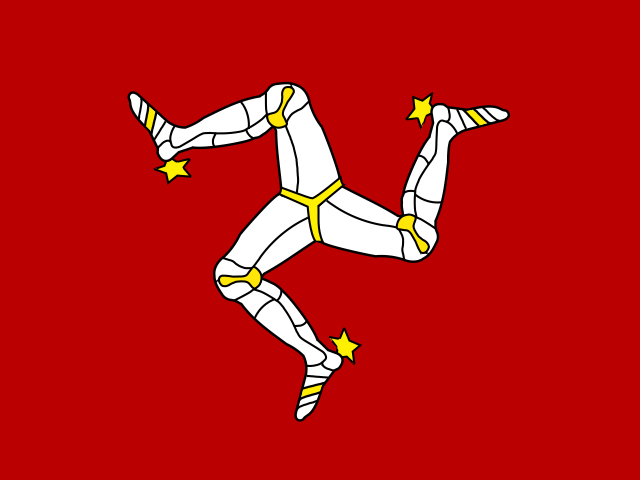 Isle of Man
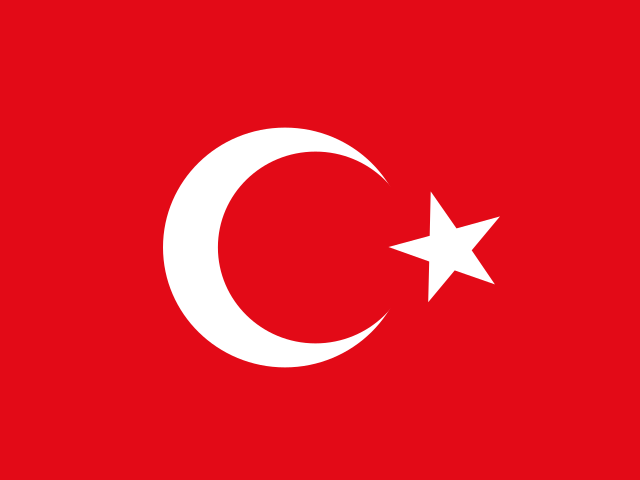 Türkiye
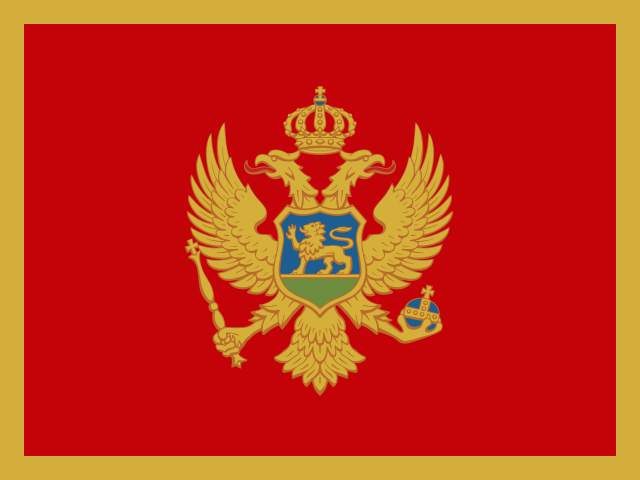 Montenegro
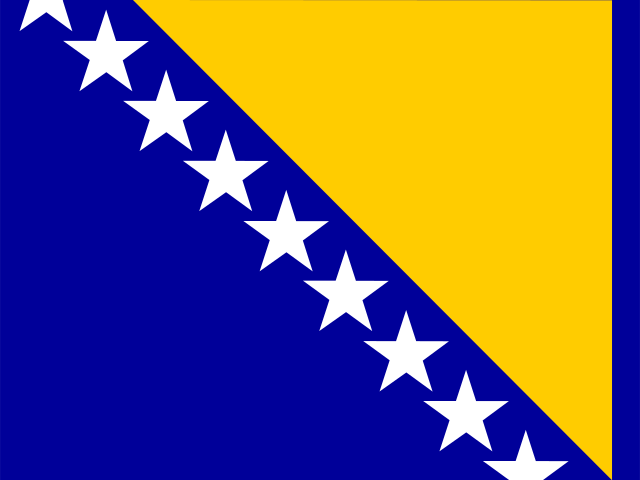 Bosnia & Herzegovina
 Kosovo
 Albania
 North Macedonia
 Ukraine
 Russia
 Belarus
 United Arab Emirates
 Qatar
 Saudi Arabia
 New Zealand
 Australia
 Brazil
 Singapore
 Mexico
 Japan
 Malaysia
 India
Food Safety Records in Belarus: Rules, Checks and Records
Food safety records in Belarus: sanitary norms, state sanitary supervision, staff health journal, risk-based checks, training and digital records.
· Chef Hygiene
Do food businesses in Belarus need food safety records? Yes, some records are required. The Ministry of Health's sanitary norms for catering (Resolution No. 12 of 2017) ask for a staff health check before each shift, written in a journal, and set rules for cleaning, deliveries and storage. State sanitary supervision, run by the Ministry of Health's hygiene centres, checks catering. Belarus has no public hygiene rating or sticker. This page explains the Belarus rules, what inspectors look at, where businesses go wrong, and how digital records help.
Every fact below comes from an official source, linked in the text and at the end. The official texts are in Russian. Where we could not confirm a point on an official page, we say so and suggest you ask your authority. Rules change, so check the current text.
## Contents
- The law: what every food business in Belarus must do
- Who inspects you, and how often
- No public rating
- The records inspectors ask for
- Where businesses go wrong
- By type of business
- Why digital records help in Belarus
- How Chef Hygiene helps
- A fair price, on purpose
- Less paper
- FAQ
- Official sources
## 1. The law: what every food business in Belarus must do
- The main rules. The Ministry of Health's "Sanitary norms and rules: sanitary-epidemiological requirements for catering objects", Resolution No. 12 of 10 February 2017, re-worded in full by Resolution No. 20 of 3 March 2017 (text on minzdrav.gov.by). We found no later replacement, but we could not open the amendment list, so check it. It rests on the Law of 7 January 2012 No. 340-Z on sanitary and epidemiological well-being.
- Notify the local authority. Under Decree No. 7 of 23 November 2017 and Council of Ministers Resolution No. 143 of 22 February 2018, catering can start the day after you send a notification to the local executive committee, and the venue is entered in the Trade Register (Brest region page, pravo.by). We could not confirm whether a sanitary conclusion is also needed. Ask your local executive committee.
- Own-check and HACCP. Resolution No. 12 says production control follows separate sanitary norms. The word HACCP does not appear in it. Recommendations from the Ministry of Antimonopoly Regulation list HACCP-based procedures under EAEU Technical Regulation TR CU 021/2011 for catering, but we did not read that text, so we cannot say how far it binds a restaurant. Ask your hygiene centre what production control it expects from you.
- Temperatures. In the rules we read, Resolution No. 12 sets no cooking, chilled or hot-holding temperature numbers. What it does say:
- Every fridge has a temperature device. A built-in thermometer is enough (p.93). Mercury thermometers are not allowed (p.35).
- Hot soups and dishes stay on the hot plate for 3 hours at most from cooking (p.109).
- Frying fat: at most 12 hours of continuous frying, or 7 fryings with breaks, checked after 6 hours, and never used once its taste, colour or smell has changed (p.105).
- Staff health. Before each shift an authorised person checks the skin of production and serving staff for infections and writes the result in a journal (p.126). Staff with a stomach illness or a fever tell the manager and see a doctor (p.127). Food staff hold a medical certificate and pass a medical exam once a year (Ministry of Health Resolution No. 74 of 2019, Annex 3, text).
- Training. Staff must pass hygiene training and attestation (Resolution No. 12, p.123-125). A state portal item from 2019 says food-facility workers take hygiene training before starting and then once a year (pravo.by). We could not find the act itself for ordinary restaurants.
- Cleaning. Daily cleaning with a detergent and a disinfectant, and a general clean at least once a month (p.43). Cleaning kits are marked or colour-coded (p.54-55).
- Deliveries and traceability. Food is accepted only with its quality and safety documents and a label. Thawed and refrozen, out-of-date or home-made food is not accepted, and meat needs a veterinary certificate (p.84-88). Withdrawn food is written down and kept apart (p.121). Traceability is required for bakery, confectionery and ready food made for sale through shops (p.99).
- Allergens. Resolution No. 12 does not mention allergens. EAEU TR CU 022/2011 lists 15 allergenic components for packaged food labels, but it does not apply to food made by catering for eating on site (text). We could not confirm an official rule for menus or loose food.
- Fire safety. Until 31 December 2026 the General fire safety requirements in Decree No. 7 of 2017 apply: marked escape routes, an evacuation plan on each floor where more than 10 people are, and escape-door locks that open from the inside without a key. From 1 January 2027 Presidential Edict No. 212 of 25 June 2026 brings much the same duties. Fire: 101 or 112.
## 2. Who inspects you, and how often
- State sanitary supervision. The Ministry of Health's Centres of Hygiene and Epidemiology carry out state sanitary supervision of catering. Resolution No. 12 refers to it in general words.
- Checks since 2026. Presidential Edict No. 227 of 6 June 2025 applies from 1 January 2026 (text).
- Planned checks are chosen by risk.
- They happen not more than once in a calendar year.
- You get written notice at least 10 working days before.
- Unplanned checks happen only on grounds the Edict lists. An anonymous complaint is not one.
- Monitoring can give recommendations with a deadline to fix.
- What can happen. After a check the inspector tells you what to put right and by when.
- Fines. Article 17.5 of the Code of Administrative Offences covers breaking sanitary-epidemiological requirements. A company can be fined up to 500 base units, a sole trader up to 200, and an individual up to 30. The base unit is 45 Belarusian roubles from 1 January 2026, so up to 22,500, 9,000 and 1,350 roubles (Code on pravo.by). Read the current law.
## 3. No public rating
- No score. We found no public hygiene rating, sticker or score in Belarus, and nothing has to be displayed.
- What this means for you. There is no number to improve, but a check can still lead to orders to put things right and to fines. Records that show your daily routine make a check calmer.
## 4. The records inspectors ask for
- Staff health journal. The daily check before each shift, in a monthly grid per person (Resolution No. 12, p.126 and Annex 1).
- Medical certificates and exams. For every food worker, with the yearly exam.
- Hygiene training and attestation. Proof that each person has passed.
- Cleaning. The rules require the cleaning and disinfection routine. They do not name a cleaning journal, but dated records show it was done.
- Delivery documents. Quality and safety documents and labels for incoming food, and a record of withdrawn food.
- Traceability records. Required for bakery, confectionery and ready food made for sale through shops.
- Frying fat. The rules set hour limits, so a note of when the fat was changed helps you show them.
- Fridge temperatures. A thermometer is required in each fridge. We found no required daily journal, but many businesses keep one as good practice.
- Fire papers. The company fire instruction, the evacuation plan and briefing records.
How long to keep them. We found no official retention time. Ask your hygiene centre.
## 5. Where businesses go wrong
- Gaps in the staff journal. A shift with no entry for a person who worked.
- Out-of-date medical exams or training. Nobody notices the date has passed.
- Cleaning done, but not shown. Nothing proves the monthly general clean happened.
- Mixed storage. Raw and ready-to-eat food stored together, or ready food below raw (p.87).
- Food on the hot plate too long. More than 3 hours from cooking.
- Old frying fat. Used past the hour limits or with changed taste, colour or smell.
- Missing delivery papers. Food taken in without documents or a label.
- Lost or damaged pages. Paper gets wet, greasy or thrown away.
- Records not ready. Notice of a planned check is at least 10 working days, but an unplanned check can come on listed grounds.
## 6. By type of business
Resolution No. 12 covers catering objects. For other kinds of business we could not confirm separate rules, so ask your hygiene centre.
- Restaurant: the staff journal, cleaning, deliveries, storage, the 3-hour hot-plate limit and frying fat limits.
- Takeaway: the same as a restaurant, with extra care for delivery documents and labels. We did not find an official rule on allergen information for takeaway orders.
- Café: fridge checks, cleaning, the staff journal and delivery papers.
- Bakery / cake shop: traceability for bakery and confectionery sold through shops (p.99). Combustible dust such as flour must be cleaned, under the fire requirements.
- Dessert shop: fridge records for desserts and ice cream, and the staff journal.
- Pub / bar / club: the catering rules apply to the food you serve. Open flame is banned except candles on tables in restaurant halls, under the fire requirements.
- Community hall / venue: we could not confirm separate rules. If you serve food, ask whether the catering norms apply. For a mass event of 50 or more people in a room not meant for it, the fire requirements ask for an inspection of the room and a briefing first.
- Corner shop / grocery: shop rules differ from catering, and we could not confirm them. Fridge checks and delivery documents are sensible; ask your hygiene centre what applies.
- School / nursery kitchen: Council of Ministers Resolution No. 525 of 2019 sets extra rules for education institutions (text). Catering staff record their health at the start of each shift in a journal, a tasting commission checks dishes before serving and writes in a dish-check journal, and hygiene training is once a year.
- Caterer / food van: the catering norms cover catering objects. We could not confirm van rules. Keep your documents with you and ask the authority.
- Home kitchen business: we could not confirm a separate rule. Ask your hygiene centre and the local executive committee before you start.
## 7. Why digital records help in Belarus
- Accepted? We found no official text that forbids electronic records, and none that says they are accepted. Ask your hygiene centre if you are unsure, and keep a printed copy ready.
- No gaps go unnoticed. A missed staff check shows up the same day.
- Dates are tracked. Exam and training dates can be written down with reminders.
- Nothing is lost. No wet, greasy or missing pages.
- Ready for a check. You can show everything at once, instead of looking for folders.
- Every staff member can take part. Staff can record on a phone or tablet, in their own language.
## 8. How Chef Hygiene helps
Chef Hygiene follows the Belarus rules we confirmed, including the staff check journal. What it does:
- Daily checks for fridges, cooking, hot holding, cooling, cleaning and deliveries, with the time, the staff member's name and photos. Saved records cannot be changed; corrections are added as new records.
- Your country's rules built in, such as the staff check before each shift and the 3-hour hot-plate limit.
- Food safety plan. About 20 minutes: answer questions, check each method, sign it, set a review date and print it. Earlier versions are kept.
- Ready for inspection? Checks your last 4 weeks of records the way an inspector would and shows how many are ready.
- Inspector's visits log. Write down each visit: date, type and officer.
- Practice inspection. A free walk round of about 10 minutes, with questions for your type of business and a "Put it right" list. It shows the likely result for Belarus, where there is no public rating.
- Allergen chart and labels. Every dish against the 14 allergens, a staff view on the kitchen tablet, and labels with allergens in bold.
- Staff training records.
- Inspector pack. Print all your records as one pack, or share them by secure link.
- 40 languages. The app works in Russian and in many other languages, so staff can use it in their own language.
## 9. A fair price, on purpose
Chef Hygiene costs about €2.99 a month per site (about €1.99 for bakeries, dessert shops and corner shops), shown in your local currency in your app store; unlimited staff, no contract, 14-day free trial.
We keep the price low on purpose. We want as many food businesses as possible, from a single food van to a busy restaurant, to keep good records and pass inspections.
## 10. Less paper
A paper diary means printed sheets every day. One daily sheet per kitchen is 365 sheets a year, before you count the monthly staff journal, delivery forms and training records. Digital records mean no record books to buy and fewer printed forms to throw away. That is less paper and nothing to store in a back office.
## 11. FAQ
### Do I legally need food safety records in Belarus?
Some, yes. Resolution No. 12 asks for the staff health journal and sets cleaning, delivery and storage rules. We could not confirm a duty to keep a full HACCP file for catering.
### Who inspects restaurants in Belarus?
State sanitary supervision, run by the Ministry of Health's Centres of Hygiene and Epidemiology.
### Do I have to register before I open?
Catering can start the day after you notify the local executive committee, and the venue goes in the Trade Register (Decree No. 7 of 2017). We could not confirm whether a sanitary conclusion is also needed.
### Are inspections announced?
Planned checks come with written notice at least 10 working days ahead (Edict No. 227). Unplanned checks happen only on listed grounds.
### How often can I be checked?
Planned checks are chosen by risk and not more than once in a calendar year.
### Can an anonymous complaint trigger a check?
No. Under Edict No. 227 an anonymous complaint is not a ground for an unplanned check.
### Is there a hygiene rating in Belarus?
We found none. Nothing has to be displayed.
### What fine can I get?
Under Article 17.5 of the Code of Administrative Offences, up to 500 base units for a company and 200 for a sole trader. A base unit is 45 roubles from 1 January 2026.
### What temperature must my fridge be?
We found no number in Resolution No. 12. It requires a temperature device in every fridge.
### How long can food stay on the hot plate?
Hot soups and dishes: 3 hours at most from cooking (p.109).
### How long can I use frying fat?
At most 12 hours of continuous frying or 7 fryings with breaks, checked after 6 hours, and not once taste, colour or smell has changed (p.105).
### Do my staff need a medical exam?
Yes. Food workers hold a medical certificate and have a periodic exam once a year (Resolution No. 74 of 2019, Annex 3).
### Do my staff need hygiene training?
Yes. Staff pass hygiene training and attestation. A 2019 state portal item says before starting and then once a year. We could not find the act for ordinary restaurants.
### What is the staff check journal?
Before each shift an authorised person checks staff skin for infections and writes the result in a monthly grid per person (p.126, Annex 1).
### Can staff work when they are ill?
Staff with a stomach illness or a fever tell the manager and see a doctor (p.127).
### Do I have to list allergens on my menu?
We found no official rule for on-site catering. TR CU 022/2011 lists 15 allergenic components for packaged food but does not apply to food made for eating on site.
### Are digital records accepted?
We found no official text either way. Ask your hygiene centre and keep a printed copy ready.
### How long must I keep my records?
We found no official retention time. Ask your hygiene centre.
### Does Chef Hygiene work in Russian?
Yes. The app works in Russian and in 40 languages in all.
### How much does Chef Hygiene cost in Belarus?
About €2.99 a month per site, about €1.99 for bakeries, dessert shops and corner shops, shown in your local currency in your app store; unlimited staff, no contract, 14-day free trial.
## 12. Official sources
- Ministry of Health of Belarus
- Sanitary norms for catering, Resolution No. 12 of 2017 as re-worded by No. 20
- Medical exams, Ministry of Health Resolution No. 74 of 2019
- Edict No. 227 on checks (pravo.by)
- Code of Administrative Offences (pravo.by)
- Notification for catering, Brest region
- Hygiene training item (pravo.by, 2019)
- Resolution No. 525 for education institutions (pravo.by)
- Edict No. 212 of 2026 on fire safety (pravo.by)
Chef Hygiene keeps your Belarus food safety records ready for every check: