 United Kingdom
 Ireland
 Iceland
 United States
 Canada
 France
 Spain
 Netherlands
 Belgium
 Portugal
 Germany
 Austria
 Poland
 Romania
 Italy
 Greece
 Denmark
 Switzerland
 Luxembourg
 Cyprus
 Malta
 Sweden
 Norway
 Finland
 Czechia
 Hungary
 Croatia
 Bulgaria
 Slovakia
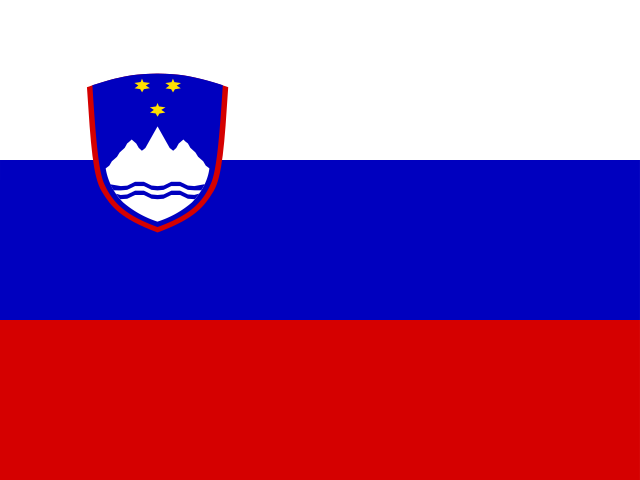 Slovenia
 Estonia
 Latvia
 Lithuania
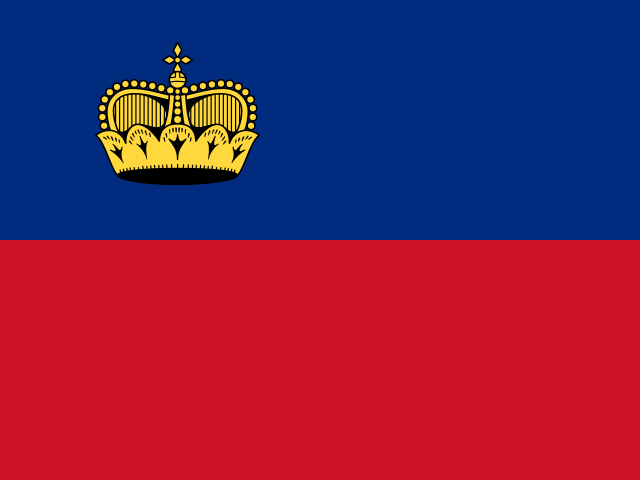 Liechtenstein
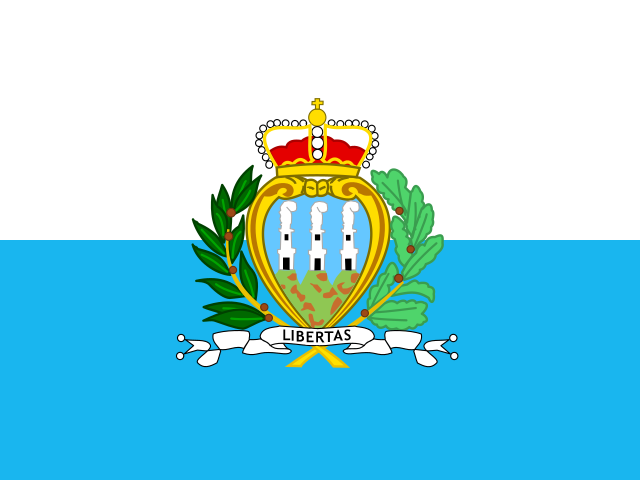 San Marino
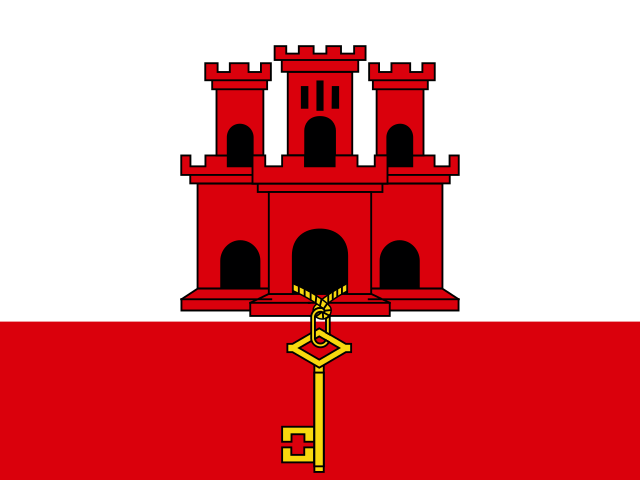 Gibraltar
 Monaco
 Moldova
 Andorra
 Serbia
 Jersey
 Guernsey
 Isle of Man
 Türkiye
 Montenegro
 Bosnia & Herzegovina
 Kosovo
 Albania
 North Macedonia
 Ukraine
 Russia
 Belarus
 United Arab Emirates
 Qatar
 Saudi Arabia
 New Zealand
 Australia
 Brazil
 Singapore
 Mexico
 Japan
 Malaysia
 India
Food Safety Records in Andorra: Laws, Inspections and Self-Check Plans
Andorra food safety records explained: the law, Ministry of Health inspections, the self-check plan, records inspectors ask for and how digital records help.
· Chef Hygiene
Do food businesses in Andorra need food safety records? Yes. Andorran law makes the person in charge of any food activity responsible for "autocontrols" (own checks) based on the HACCP principles, with a written self-check plan approved by the health authority and up-to-date records of each control. The Food Safety Service of the Ministry of Health inspects. Andorra has no public hygiene rating or sticker. This page explains the Andorran rules, what inspectors look for, where businesses go wrong, and how digital records help.
This page covers the Principality of Andorra. Every fact below comes from an official source, linked in the text and at the end. The main texts are in Catalan, the official language of Andorra; we read them in the original. Where we could not confirm something, we say so and suggest you ask your authority. The Chef Hygiene app works in Catalan, and in 40 languages in all.
## Contents
- The law: what every Andorran food business must do
- Who inspects you, and how often
- No public rating
- The records inspectors ask for
- Where businesses go wrong
- By type of business
- Why digital records help in Andorra
- How Chef Hygiene helps
- A fair price, on purpose
- Less paper
- FAQ
- Official sources
## 1. The law: what every Andorran food business must do
- The main laws. Law 14/2012 (food safety and public health, published by the Consell General) and the Regulation of food activities of 12 July 2000, published in the official gazette (BOPA).
- Sanitary authorisation first. Every food establishment must obtain a sanitary authorisation when it opens, moves, changes activities, changes owner, changes trade name or closes (regulation, art. 96). The Ministry in charge of health grants it (art. 98). An establishment without it is treated as "clandestine" (art. 99). It may only carry out the food activities it is authorised and registered for (art. 101).
- The health register (RSPA). Businesses that make, prepare, process, keep, pack, store, transport or distribute food (art. 104) must also be entered in the Andorran Sanitary Register (RSPA). The entry must be renewed every five years, and each time the premises, equipment or main processes change (art. 97). The sanitary authorisation and the RSPA entry come before any other authorisation your business needs (art. 102).
- A commercial opening authorisation. Our earlier research notes a separate commercial opening authorisation under Law 12/2013. We could not open the current official procedure page, so we do not describe the steps. Ask the Government of Andorra procedures service (tramits.ad).
- A written self-check plan (art. 69). The person responsible for a food activity must carry out self-checks to verify that food and premises meet the rules. They must find what is critical for food safety and set up procedures based on the HACCP system (the regulation calls it ARiCPC). The seven steps listed are:
- identify the specific hazards in your processes and the preventive measures;
- find the points that can be controlled (critical points);
- set the critical limit for each one;
- set up monitoring;
- set corrective actions for when a limit is passed;
- set verification procedures;
- set up documentation and records for all of this.
- The plan is approved. The self-check plan must be submitted for approval to the competent health authorities (art. 69.4). Managers must be able to tell the inspection services the type, frequency and result of the checks. They must keep the records of each control operation "duly updated" (art. 69.5 and 69.6).
- Temperatures: Andorra sets some in law. For prepared dishes the regulation sets these numbers (arts. 21 to 25):
- Hot-held prepared dishes: core at +65°C or more from the end of cooking until eaten, and eaten the same day.
- Cooling: down to +10°C at the core as quickly as possible, preferably within two hours.
- Chilled prepared dishes: +3°C or lower at all points, kept for six days at most.
- Frozen prepared dishes: -18°C or colder.
- Reheating (for dishes eaten in restaurants and other communal dining): at least +65°C throughout the dish in under one hour, then held at that temperature until served.
- What we did not find. We found no general fridge temperature in the regulation outside the prepared-dish rule above, and no legal core temperature for cooking. Any other number you see is guidance or good practice, not Andorran law.
- Staff hygiene and illness (arts. 51 to 56). Food workers must wash their hands and wear clean work clothes. A handler who has any illness must tell the owner or representative, who must take suitable measures. A handler with a communicable disease, or who carries germs, must be kept away from any work directly linked to food until clinically and bacteriologically cured. Eating, drinking, smoking and chewing are banned while handling food (art. 57).
- Staff training. Our earlier research found that food handlers need training and a food handler title (títol de manipulador) from an authorised trainer, under the food handlers regulation of 6 November 2002. We did not re-read that text today and did not find a renewal interval. Ask the Ministry of Health to confirm what applies to you.
- Allergens. Food information is governed by a regulation approved by decree and published on 25 January 2017 (BOPA no. 6). For food that is not prepacked (art. 44):
- The allergen information is mandatory, also for food packed at the point of sale on request or for immediate sale.
- It can be given orally by the staff. In that case you must put a reminder on signs, boards or the menu, near the food, that allergen information is available. All staff must have access to up-to-date written allergen information.
- For distance selling, the allergen information must be available before the purchase and at delivery (arts. 14 and 44).
- Language (art. 15): a language consumers easily understand where the food is sold. Several languages are allowed. Catalan is not stated as required.
- Fines. Law 14/2012, art. 87, sets the ranges: minor 150 to 1,500 euros; serious 1,501 to 30,000 euros; very serious 30,001 to 90,000 euros, and in the very serious case closure can also apply (Law 14/2012).
## 2. Who inspects you, and how often
- The Food Safety Service. The Food Safety Service (Servei de Seguretat Alimentària) of the Ministry of Health carries out official food controls, under Law 14/2012 and the regulation on official controls of December 2009.
- Risk-based. Our earlier research found that inspections are based on risk. We could not confirm a published visit interval, so we do not give one.
- What can happen. Our earlier research found that the inspector can require corrections, give warnings, and close a business for a time or for good where public health is at risk. The fine ranges are in section 1.
## 3. No public rating
- No rating. We found no public hygiene rating, score or window sticker in Andorra, and no duty to display an inspection result.
- What this means for you. There is no score to raise. The goal is a visit with no faults, and good records show the inspector that your system works every day.
## 4. The records inspectors ask for
The law asks for your self-check records to be up to date, and for them to be shown to the inspection services. Records that fit what the regulation says:
- Self-check records of each control carried out under your approved plan (art. 69.6).
- Temperature records for the numbers in section 1: hot holding, cooling, chilled storage, freezing and reheating of prepared dishes.
- Fridge and freezer records. The regulation requires every cold unit to have a reliable, easy-to-read thermometer. Cold rooms for frozen products must also have a graphic temperature recording system, and those records must be kept for at least one year to show the authority when asked (art. 33.21).
- Training records. The law asks for trained handlers; a log is the simplest proof. We did not confirm a record rule for this.
- Allergen information for every dish, written, with a sign if you tell customers orally (art. 44).
- Your sanitary authorisation and RSPA entry, and the dates you must renew the RSPA entry.
How long to keep them. We found no general keep time for self-check records. The only period we could confirm is the one year for the cold-room graphic records (art. 33.21). Ask the Ministry for anything else.
## 5. Where businesses go wrong
Common record problems are easy to picture. They are the kinds of gap the self-check rules in art. 69 are meant to prevent:
- Gaps. Days with no checks written down.
- No action recorded. A reading outside the limit with nothing about what was done. Art. 69 asks for corrective actions.
- Lost or damaged pages. Paper gets wet, greasy or thrown away.
- Allergen information only from memory. If you give it orally, you need the sign and up-to-date written information for all staff.
- Hot or chilled food outside the legal numbers. For example, hot-held dishes below +65°C or chilled prepared dishes above +3°C.
## 6. By type of business
The rules in the regulation apply to all food activities. The records you keep depend on what you do. We did not find official rules written for each business type, so the notes below apply the general rules above.
- Restaurant: hot holding, cooling and reheating of prepared dishes, deliveries, cleaning, and allergen information for every dish.
- Takeaway: the same as a restaurant, plus allergen information before the order and at delivery for distance orders.
- Café: fridges and displays, cleaning, and allergen information for sandwiches and salads.
- Bakery / cake shop: allergen records for every product, and cold storage for cream cakes and fillings.
- Dessert shop: fridge and freezer records for desserts and ice cream, and allergens for toppings and sauces.
- Pub / bar / club: the same records as a restaurant for the food you serve, and allergen information for every dish.
- Community hall / venue: keep temperature and cleaning records for each event. Ask the Ministry how events are treated.
- Corner shop / grocery: fridge and freezer checks, delivery checks, and allergen information for food packed at the point of sale.
- School / nursery kitchen: temperature and cleaning records, and careful allergen records for every child.
- Caterer / food van: the rules on transport and distribution (art. 104) apply. Ask the Ministry how authorisation works for vehicles and events.
- Home kitchen business: we could not confirm any home kitchen rule. Ask the Ministry of Health.
## 7. Why digital records help in Andorra
- The law asks for records "duly updated". A digital record shows the time of each check.
- No gaps go unnoticed. A missed check shows up the same day, not at the next inspection.
- Problems come with their fix. When a reading is out of range, the record can ask what you did about it.
- Nothing is lost. No wet, greasy or missing pages.
- Paper or digital? We did not find an Andorran page that says digital records are accepted or not. The regulation asks for "records" without naming a format. Ask the Food Safety Service if you are unsure.
## 8. How Chef Hygiene helps
Chef Hygiene follows the Andorran rules in this page, including the legal numbers for prepared dishes. What it does:
- Daily checks for fridges, freezers, cooking, hot holding, cooling, cleaning and deliveries, with the time, the staff member's name and photos. Saved records cannot be changed; corrections are added as new records.
- Your country's rules built in, including the Andorran temperatures for prepared dishes.
- Food safety plan ("safe methods"). About 20 minutes: answer questions, check each method, sign it, set a review date and print it. Earlier versions are kept.
- Ready for inspection? Checks your last 4 weeks of records the way an inspector would and shows how many are ready.
- Inspector's visits log. Write down each visit: date, type and officer.
- Practice inspection. A free walk round of about 10 minutes, with questions for your type of business and a "Put it right" list. Andorra has no rating, so it shows the likely result in plain words.
- Allergen chart and labels. Every dish against the 14 allergens, a staff view on the kitchen tablet, and labels for food prepacked for direct sale, with allergens in bold.
- Staff training records.
- Inspector pack. Print all your records as one pack, or share them by secure link.
- 40 languages, including Catalan. Staff can use the app in their own language.
## 9. A fair price, on purpose
Chef Hygiene costs €2.99 a month per site (€1.99 for bakeries, dessert shops and corner shops). The exact price is shown in your app store. Staff are unlimited, there is no contract, and there is a 14-day free trial.
We keep the price low on purpose. We want as many food businesses as possible, from a single food van to a busy restaurant, to keep good records and pass inspections.
## 10. Less paper
A paper diary means printed sheets every day. One daily sheet per kitchen is 365 sheets a year, before you count delivery forms, cleaning rotas and training records. Digital records mean no record books to buy and fewer printed forms to throw away. That is less paper and less waste, and nothing to store in a back office.
## 11. FAQ
### Do I legally need food safety records in Andorra?
Yes. Art. 69 of the 2000 regulation requires self-checks based on the HACCP principles, a plan approved by the health authority, and records of each control kept up to date.
### Who inspects restaurants in Andorra?
The Food Safety Service (Servei de Seguretat Alimentària) of the Ministry of Health.
### Do I need a permit before I open a food business?
Yes. You need a sanitary authorisation (art. 96) and, for businesses listed in art. 104, an entry in the RSPA. Our earlier research also notes a commercial opening authorisation under Law 12/2013; confirm the steps with the procedures service.
### Is there a hygiene rating in Andorra?
We found none. There is no public rating, score or sticker.
### What is a self-check plan?
A written plan based on the seven HACCP steps, adapted to your products and activities. It must be submitted to the health authority for approval (art. 69).
### What fines can apply?
Law 14/2012, art. 87: 150 to 1,500 euros for minor offences, 1,501 to 30,000 euros for serious ones, and 30,001 to 90,000 euros for very serious ones, with closure possible in the very serious case.
### Are digital food safety records accepted?
The regulation asks for records "duly updated" and does not name a format. We found no official page saying digital records are or are not accepted, so ask the Food Safety Service if you are unsure.
### How long must I keep my records?
We found no general period. Graphic temperature records for frozen-food cold rooms must be kept at least one year (art. 33.21).
### What temperature must hot food be kept at?
At least +65°C at the core from the end of cooking until it is eaten, and the dish must be eaten the same day (art. 21).
### What about cooling, chilled, frozen and reheated dishes?
Cool to +10°C at the core, preferably within two hours (art. 22). Chilled prepared dishes +3°C or lower, six days at most (art. 23). Frozen -18°C or colder (art. 24). Reheat to +65°C throughout in under one hour (art. 25).
### Do my staff need a food hygiene certificate?
Our earlier research found a food handler title from an authorised trainer (regulation of 6 November 2002). We did not re-read it or find a renewal interval, so ask the Ministry.
### Can staff work when they are ill?
A handler with a communicable disease, or who carries germs, must be kept from food work until cured (art. 53). Any illness must be reported to the owner (art. 52).
### Can I give allergen information orally?
Yes, for non-prepacked food, if you put a reminder on a sign, board or the menu near the food and all staff can reach up-to-date written allergen information (art. 44).
### Must allergen information be in Catalan?
Art. 15 says a language consumers easily understand where the food is sold, and several languages are allowed. Catalan is not stated as required.
### How much does Chef Hygiene cost in Andorra?
€2.99 a month per site (€1.99 for bakeries, dessert shops and corner shops); the exact price is shown in your app store; unlimited staff, no contract, 14-day free trial.
## 12. Official sources
- Law 14/2012 (Consell General)
- Regulation of food activities, 12 July 2000 (FAOLEX copy)
- Regulation on food information to consumers, BOPA no. 6, 25 January 2017 (FAOLEX copy)
- Official gazette of Andorra (BOPA)
- Government of Andorra
- Procedures of the Government of Andorra
Chef Hygiene keeps your Andorran food safety records ready for every inspection: